
Most recycled silver comes with a label but no source. AgAIN Silver is different: it is recovered from old medical X-ray film in the UK and refined without ever being mixed with other silver. Here is where it comes from, how it is made – and what you can tell your customers about it.
Key insights
- AgAIN Silver is post-consumer recycled silver from a single known source. All of it is recovered from medical X-ray film in the UK. "AgAIN" is a brand name of the Betts Group, not a standard or a certification.
- The source is redundant X-ray film from hospital storage. One kilogram of film holds only two to five grams of silver, which Betts recovers in Kidderminster and refines in Buxton.
- It is never mixed with other silver. Separate crucibles, a dedicated electrolytic cell and segregated manufacturing keep AgAIN Silver apart from start to finish.
- Its strength is transparency, not impact. You know what your recycled silver was before it was recycled. Like all recycled silver, though, it does not change how silver is mined.
- We supply it as casting grain. AgAIN Silver is available from us in 999 fine silver and in 935 sterling silver.
AgAIN Silver at a glance
| Name | AgAIN Silver (Ag, the chemical symbol for silver, plus "again") |
| Type | Post-consumer recycled silver |
| Source | Redundant medical X-ray film, UK1 |
| Silver in the film | 2–5 grams per kilogram of film2 |
| Recovery | Chemical process, Betts Group, Kidderminster (UK)3 |
| Refining | Segregated melting and electrolytic refining, Betts Group, Buxton (UK)34 |
| Brand owner | Betts Group, UK; launched in 2022 |
| Products at Fairever | Casting grain in 999 ‰ fine silver and 935 ‰ sterling silver5 |
| Standard / certification | None; AgAIN is a brand name |
What is AgAIN Silver?
AgAIN Silver is recycled silver recovered exclusively from medical X-ray film in the UK.1 The name combines Ag, the chemical symbol for silver, with the word "again": silver that goes back into use. The Betts Group, a British precious metals refiner and our strategic partner since 2025, launched the brand in 2022.35
AgAIN is a brand name, not a standard, a certification or a seal. What stands behind it is a single, clearly defined source and a supply chain in which the silver is kept apart from all other silver.
Post-consumer, not pre-consumer
AgAIN Silver is post-consumer recycled silver. Post-consumer material comes from products that have reached the end of their use with an end user – here, X-ray images that hospitals no longer need. Pre-consumer material, such as casting scrap or offcuts from production, never reached an end user at all.
The difference matters, because "recycled" can mean either. We explain the categories using gold as the example in our post-consumer recycled gold, and for silver in what is recycled silver?
Where AgAIN Silver comes from
AgAIN Silver comes from redundant medical X-ray film collected from NHS storage facilities across the UK.2 Betts guarantees that the silver has been recycled from medical X-rays in the UK.1
Why X-ray film contains silver
Analog X-ray film records its image in silver. The film is a thin plastic sheet, usually polyester, coated with a gelatin layer that holds light-sensitive silver compounds. When the film is exposed and developed, black metallic silver forms the image.6
The amounts are small. According to Betts, one kilogram of X-ray film yields two to five grams of silver.2 Put differently: 100 grams of AgAIN casting grain take between 20 and 50 kilograms of film, around 30 kilograms at the midpoint.7
From hospital archive to Betts
Hospitals keep old X-ray images in storage, and storage costs money.3 Betts collects the redundant film and pays the hospitals a rebate for the silver it recovers. Its collection business, Betts Envirometal, collected 300 tonnes of X-ray film from hospitals in 2022 alone. The rebates for the medical sector amounted to hundreds of thousands of pounds, Professional Jeweller reported.3
The Betts Group has worked with the NHS on recovering precious metals for decades, says managing director Charlie Betts.4 In his words, the scheme helps hospitals earn money from old X-rays that would typically sit in long-term storage.2
How AgAIN Silver is recovered and refined
AgAIN Silver is processed entirely in the UK and entirely on its own. According to Charlie Betts, every stage takes place in the UK, and the silver is kept separate from other material throughout.4
Chemical recovery in Kidderminster
First, the film is stripped into its components. Betts extracts the silver with an in-house chemical process at its facility in Kidderminster.38 The company does not publish the details. The general principle is well established: chemicals dissolve the silver-bearing layer, and the silver is recovered from the solution.6
According to Betts, the PET film base and the paper are recycled as well.8
Segregated refining in Buxton
The recovered silver goes to Betts' factory in Buxton, where it is melted and refined separately from all other metals.3 Charlie Betts describes the set-up: separate crucibles for melting, "a totally segregated electrolytic cell" dedicated to AgAIN, and segregated manufacturing of the finished products.4
The Buxton site was already geared to this kind of work, he says, because of its experience with certified metals.4 Betts also refines Fairtrade and Fairmined metals for us, which must stay physically apart from uncertified material.5
What sets AgAIN apart from other recycled silver
The difference is the known source. With most recycled silver, you don't know what the metal was before it was melted down. With AgAIN Silver, you do: medical X-ray film, and nothing else.
Recycled silver is no niche. In 2025, recycling supplied 197.6 million ounces of silver, about 18 % of total supply.9 Behind the word "recycled" can be very different materials, from industrial scrap such as used catalysts and electronics to old jewelry, silverware and photographic scrap.9
Once refined, silver is silver. Nothing in the metal shows where it came from – only a segregated supply chain can. That is the transparency gain of AgAIN Silver: you avoid unknowingly working with recently mined silver of unknown origin that has simply been relabeled as recycled.5
What recycling does – and doesn't – change
Recycling silver is useful and completely normal. It does not solve the problems in silver mining, though. Silver has been recovered from X-ray film for a long time, because the silver has value.45 Buying AgAIN Silver doesn't reduce silver mining, and it doesn't improve conditions for the people who mine silver.
What AgAIN adds is certainty about the source. If you want your silver to make a difference where it is mined, silver from responsible small-scale mining is the better fit – more on that below.
Our AgAIN Silver products
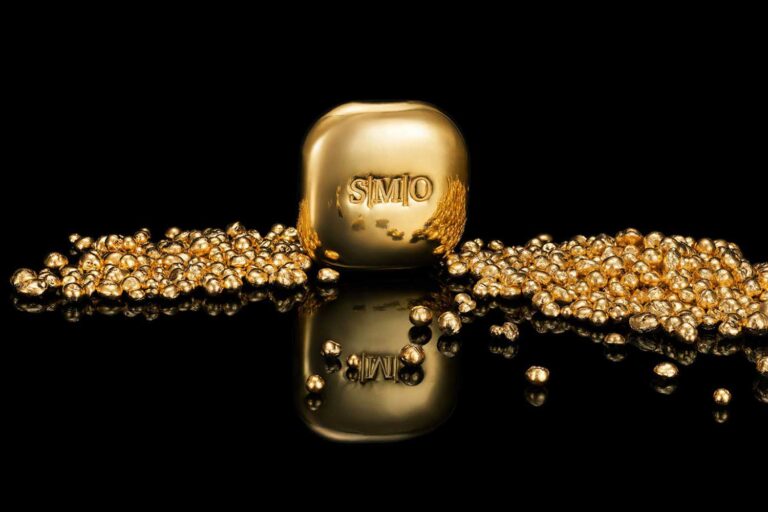
We supply AgAIN Silver as casting grain for jewelry makers and manufacturers, in two finenesses: 999 fine silver and 935 sterling silver.5 In the sterling grain, the silver content is AgAIN Silver.
Both are available to trade customers only.5
What you can – and can't – say about AgAIN
You can tell your customers exactly what the silver is and where it comes from. The strongest claims about AgAIN Silver are the factual ones:
| Say this | Avoid this | Why |
|---|---|---|
| "Made with AgAIN Silver, post-consumer recycled silver from medical X-ray film in the UK." | "Traceable silver," "silver of known origin" | The source is known, the mine is not. "Traceable" describes metal tracked back to its mine. |
| "The silver comes from a single known source." | "Made from waste," "saved from landfill" | The film is a valuable source of silver, not waste. Old X-rays typically sit in storage. |
| "Refined in a fully segregated process in the UK, never mixed with other silver." | "Sustainable," "eco-friendly," "green silver" | Broad environmental claims need specific proof in the same place, and recycling doesn't reduce mining. |
| "The silver in this piece is 100 % recycled." | "Responsible silver," "ethical silver," "saves mining" | Recycled silver doesn't change how much silver is mined, or how. |
| "AgAIN Silver" as a brand name | "Certified silver," seals or logos | AgAIN is a brand, not a certification. |
These claims hold as long as you keep AgAIN Silver apart from other silver in your own workshop, too.
In the EU, environmental claims now have to be specific and backed by evidence. Our article on the EmpCo directive and gold explains what that means for jewelry.
Please note: this is guidance from our experience, not legal advice. For claims in your own marketing, check with a legal adviser.
Where AgAIN fits in our silver range
Fairever offers silver with different strengths, for different needs. AgAIN Silver is for jewelry makers who want recycled silver with a known source. Here is how it compares:
| Criterion | AgAIN Silver | Fairever ASM Silver | Fairmined Silver | Fairtrade Silver |
|---|---|---|---|---|
| Source | Post-consumer recycling of medical X-ray film, UK | By-product of small-scale gold mining | By-product of certified small-scale gold mining | By-product of certified small-scale gold mining |
| Origin known | Single known source, mine unknown | Single named mine | Certified mines | Certified mines |
| Rules for the silver | None; recycled material | None of its own; mine certified for gold or accredited under Swiss Better Gold | Fairmined Standard | Fairtrade Gold Standard |
| Seal on your product | No | No | Fairmined label | FAIRTRADE Mark |
Source: Fairever.5
Fairmined and Fairtrade Silver are certified and come with a label, but they are rarely available. Fairever ASM Silver comes from small-scale gold mines in Peru, with the mine named on the label. More in our Fairever ASM Silver explained, what is Fairmined Silver? and what is Fairtrade Silver? Why a known mine matters: traceable gold and silver.
FAQs: AgAIN recycled silver, explained
What is AgAIN Silver?
AgAIN Silver is post-consumer recycled silver recovered exclusively from medical X-ray film in the UK. The UK's Betts Group launched the brand in 2022. Fairever, a precious metals supplier in Leipzig, Germany, offers it as casting grain.
Where does AgAIN Silver come from?
From redundant medical X-ray film collected from NHS storage facilities across the UK. Betts recovers the silver chemically in Kidderminster and refines it in a segregated process in Buxton.
Is AgAIN Silver traceable?
Not in the sense of traceable to a mine. Its source is known – medical X-ray film – but the mine where the silver was originally extracted is not. AgAIN Silver has single source provenance, which generic recycled silver usually lacks.
Is AgAIN Silver certified?
No. AgAIN is a brand name of the Betts Group, not a standard, certification or seal. What sets it apart is its single known source and its segregated refining.
How much silver is in X-ray film?
According to Betts, one kilogram of X-ray film yields two to five grams of silver. That means 20 to 50 kilograms of film for 100 grams of silver.
Is AgAIN Silver sustainable?
We don't describe it that way. Recycling silver is normal and useful, but it doesn't reduce silver mining or improve mining conditions. The advantage of AgAIN Silver is transparency: you know exactly where your recycled silver comes from.
Which AgAIN Silver products does Fairever offer?
Casting grain in 999 fine silver and in 935 sterling silver. Both are available to trade customers such as jewelry makers and manufacturers.
Key takeaways
In a nutshell ...
- One source, and only one. Every gram of AgAIN Silver is recycled from medical X-ray film in the UK – no other material goes in.
- Kept apart from start to finish. Betts recovers, refines and processes AgAIN Silver in segregation, with its own crucibles and its own electrolytic cell.
- Hospitals benefit. Betts pays hospitals a rebate for the silver in their redundant X-ray film, which would otherwise typically sit in storage.
- Transparency, not mining impact. AgAIN Silver tells you what your recycled silver was. For silver that supports mining communities, look to small-scale mining.
- Say what it is, precisely. Tell your customers "post-consumer recycled silver from medical X-ray film" – and leave "traceable" and "sustainable" out.
Get active, be the change!
AgAIN Silver is available as casting grain in 999 fine silver and 935 sterling silver.
Looking for recycled silver you can clearly explain to your customers? Take a look at our AgAIN Silver.
Further reading
- What "recycled" can mean for silver, and why it rarely tells you much: what is recycled silver?
- Silver from small-scale gold mines in Peru, with the mine on the label: our Fairever ASM Silver explained.
- Why "recycled" is not a source, using gold as the example: is recycled gold really recycled?
Sources
- Betts Metal Sales, AgAIN Fine Silver Grain Recycled from Medical X-ray Film, product page, accessed September 2026. ↩ ↩ ↩
- Professional Jeweller, The Betts Group to make recycled silver more accessible, October 6, 2025. ↩ ↩ ↩ ↩
- Rebecca Butler, Betts Group launches silver made from recycled X-ray films, Professional Jeweller, October 9, 2022. ↩ ↩ ↩ ↩ ↩ ↩ ↩
- Karen Westland, Material Investigations: Betts Metal AgAIN Silver, Ethical Making, June 30, 2023. Interview with Charlie Betts, managing director of the Betts Group. ↩ ↩ ↩ ↩ ↩ ↩
- Fairever, internal information, September 2026. ↩ ↩ ↩ ↩ ↩ ↩ ↩ ↩
- Pritam Kumar, Rajkumar Dhakad, Abhijit Singh Devra and Prashant Kumbhkar, Silver Recovery from X-Ray Film Waste: A Review, International Journal for Research in Applied Science & Engineering Technology 8 (9), September 2020. ↩ ↩
- Our own calculation, based on 2–5 grams of silver per kilogram of film (footnote 2): 100 g ÷ 5 g/kg = 20 kg; 100 g ÷ 2 g/kg = 50 kg; midpoint 3.5 g/kg gives 100 g ÷ 3.5 g/kg ≈ 29 kg, rounded to around 30 kg. Refining losses are not included. ↩
- Betts Refining, X-Ray Film Silver Recovery, accessed September 2026. ↩ ↩
- The Silver Institute, World Silver Survey 2026, prepared by Metals Focus, April 2026, pp. 10 and 39–41. Our own calculation: recycling of 197.6 million ounces ÷ total supply of 1,090.4 million ounces ≈ 18.1 %. ↩ ↩