

Responsible Large-Scale Mining

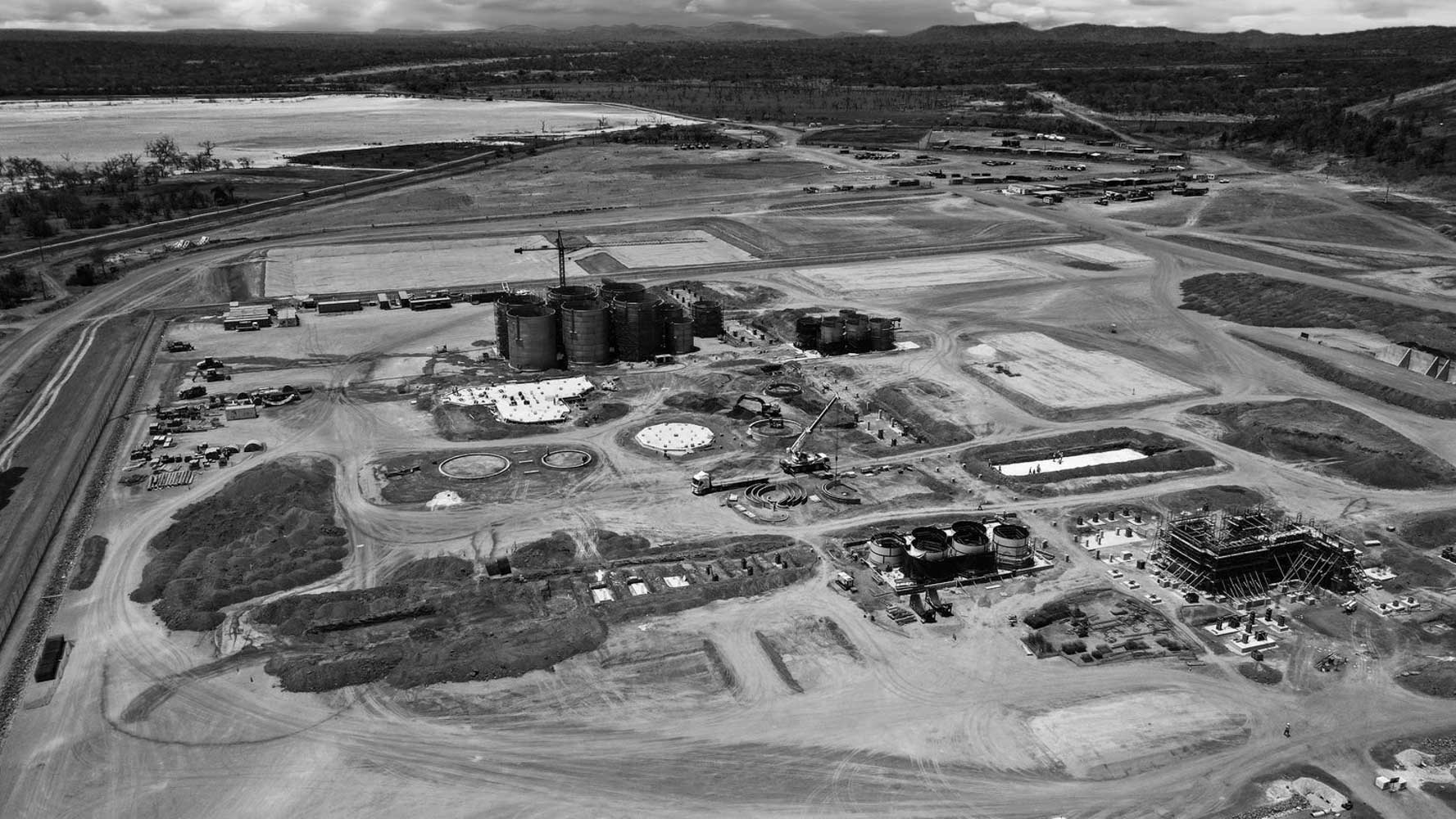
The Sabodala-Massawa Gold Mine, Senegal
In the savanna of Senegal’s far southeast, the Sabodala-Massawa gold mine produced 273,533 ounces of gold in 2025 – more than any other mine in
In the savanna of Senegal’s far southeast, the Sabodala-Massawa gold mine produced 273,533 ounces of gold in 2025 – more than any other mine in
High in Peru’s Andes, at around 4,700 meters, the miners of Oro Puno wash gold out of the gravel of ancient glaciers – with water
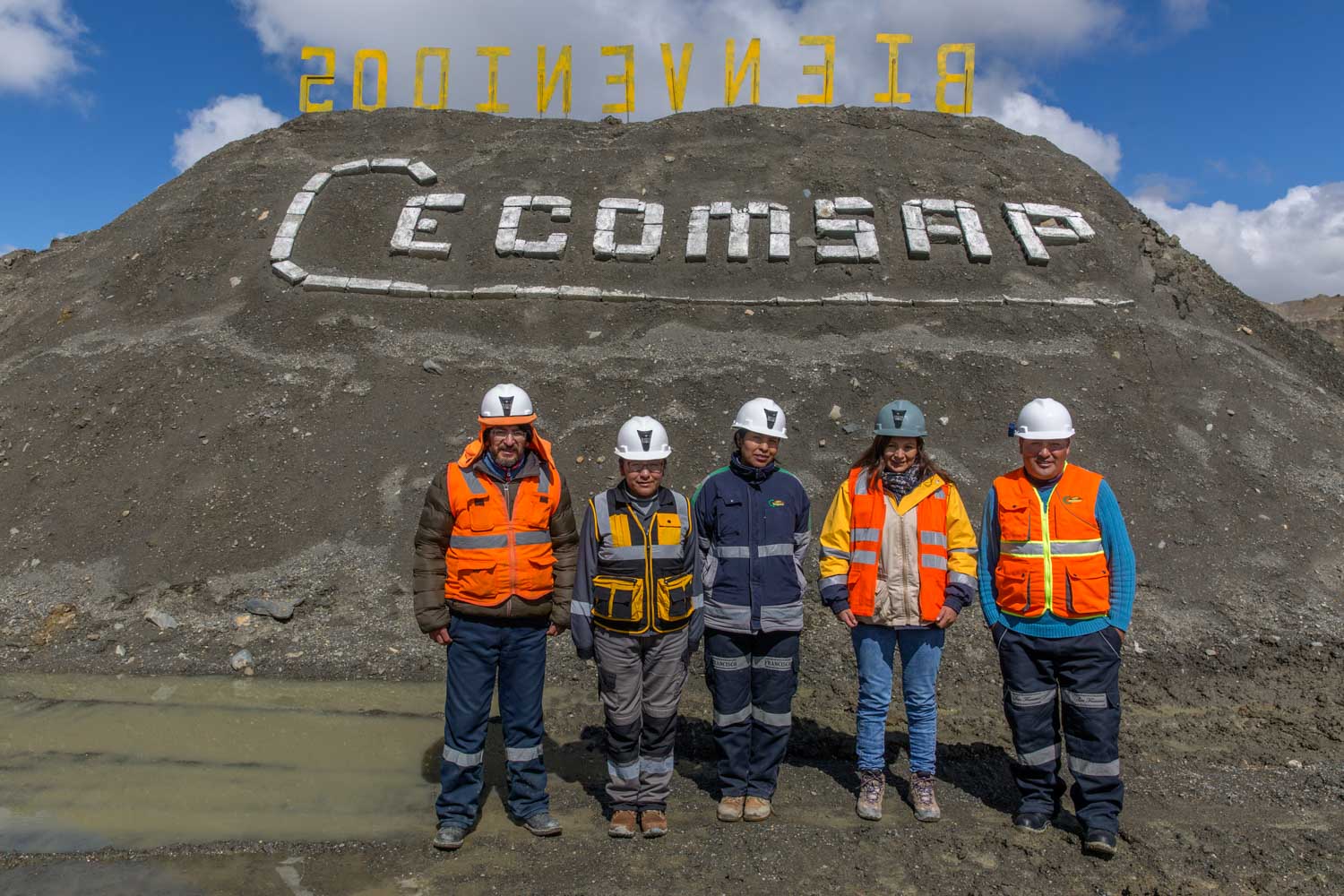
At around 4,700 meters in Peru’s Andes, where alpaca herding was the traditional way to make a living, ten cooperatives mine gold together as CECOMSAP.
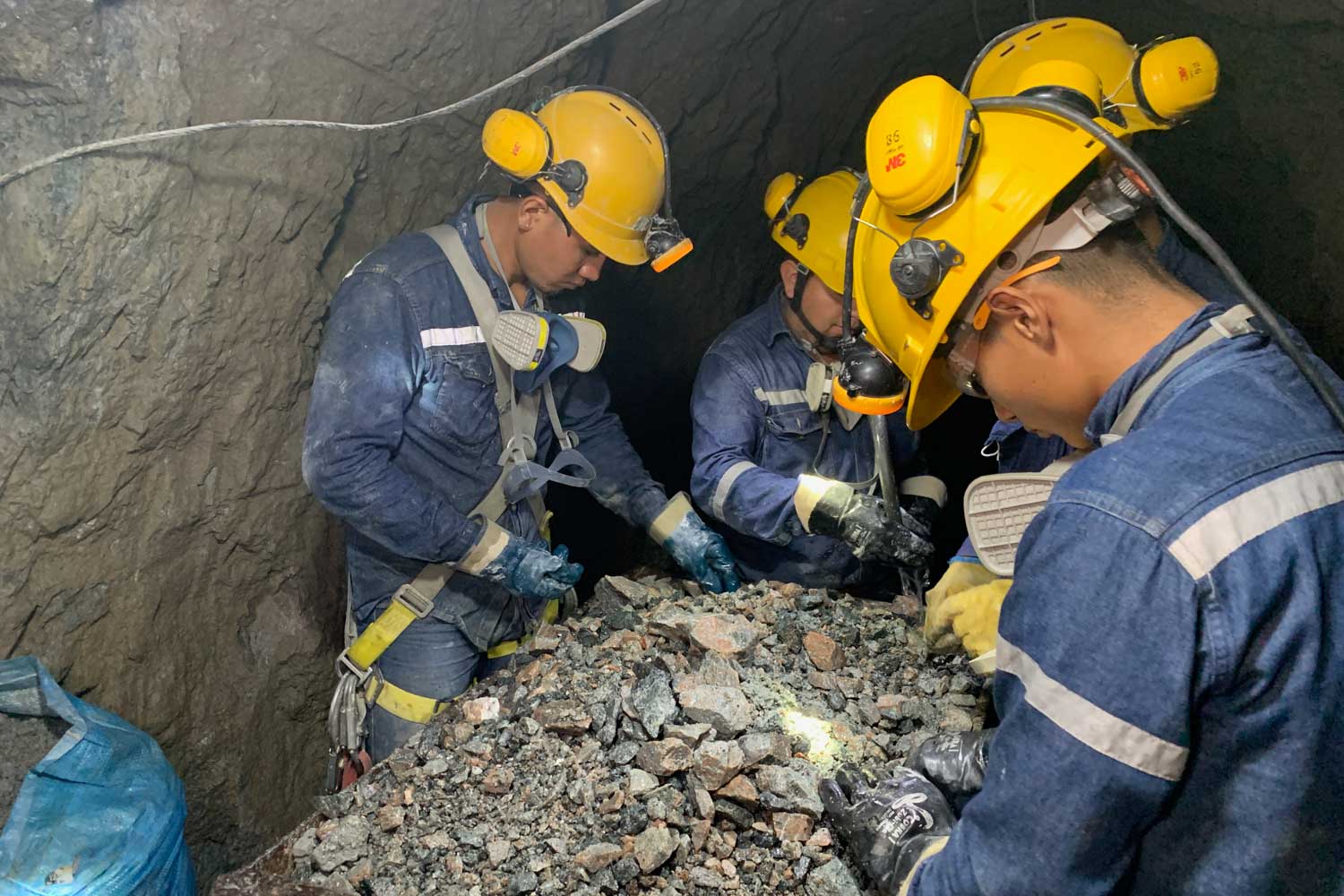
In the green hills of Huila, Colombia, coffee farmers go underground to mine gold – under the Fairmined Standard, every year since 2014. Their cooperative
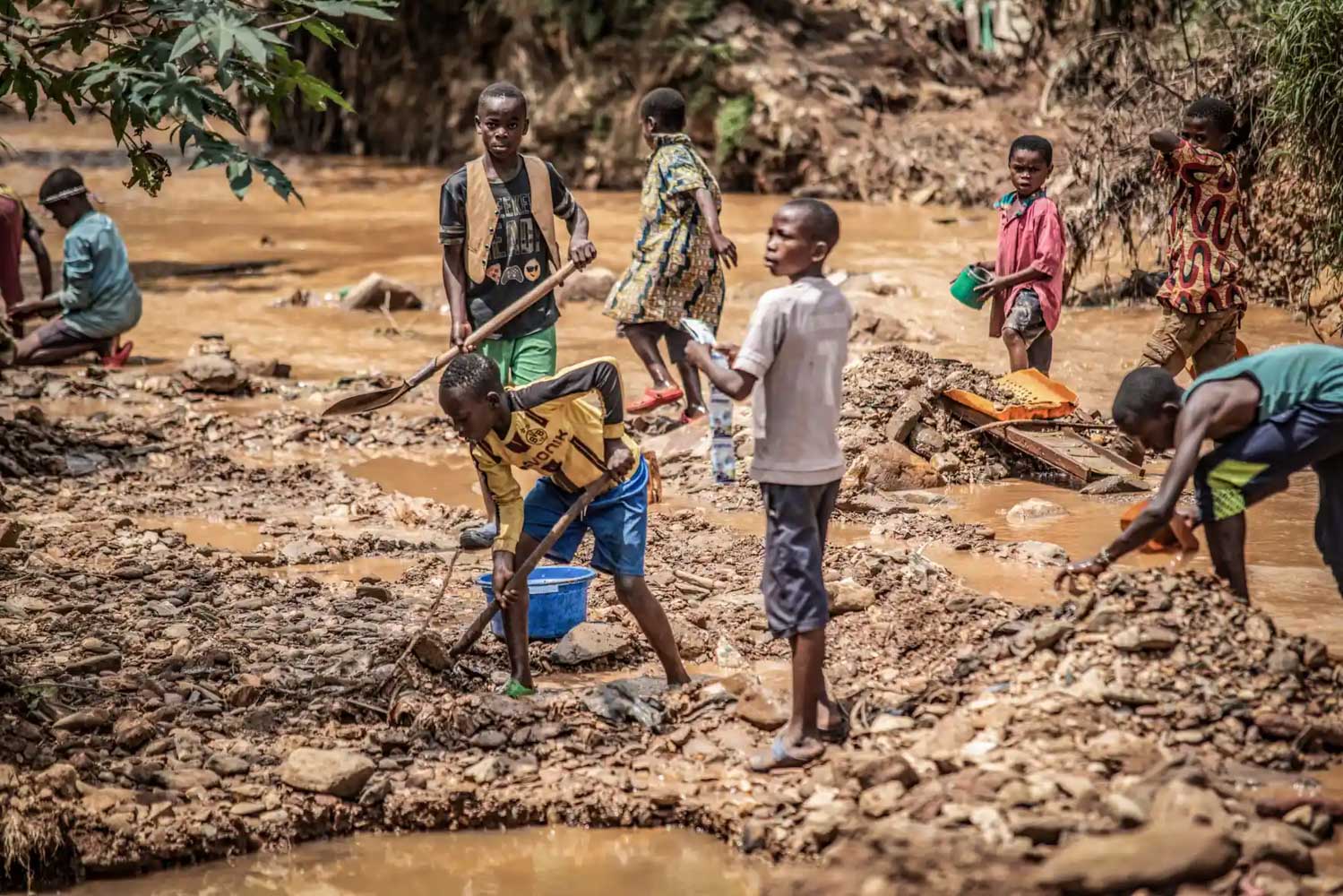
Gold mining supports more than 100 million people – and in parts of the world it also runs on child labor, displacement and armed violence.
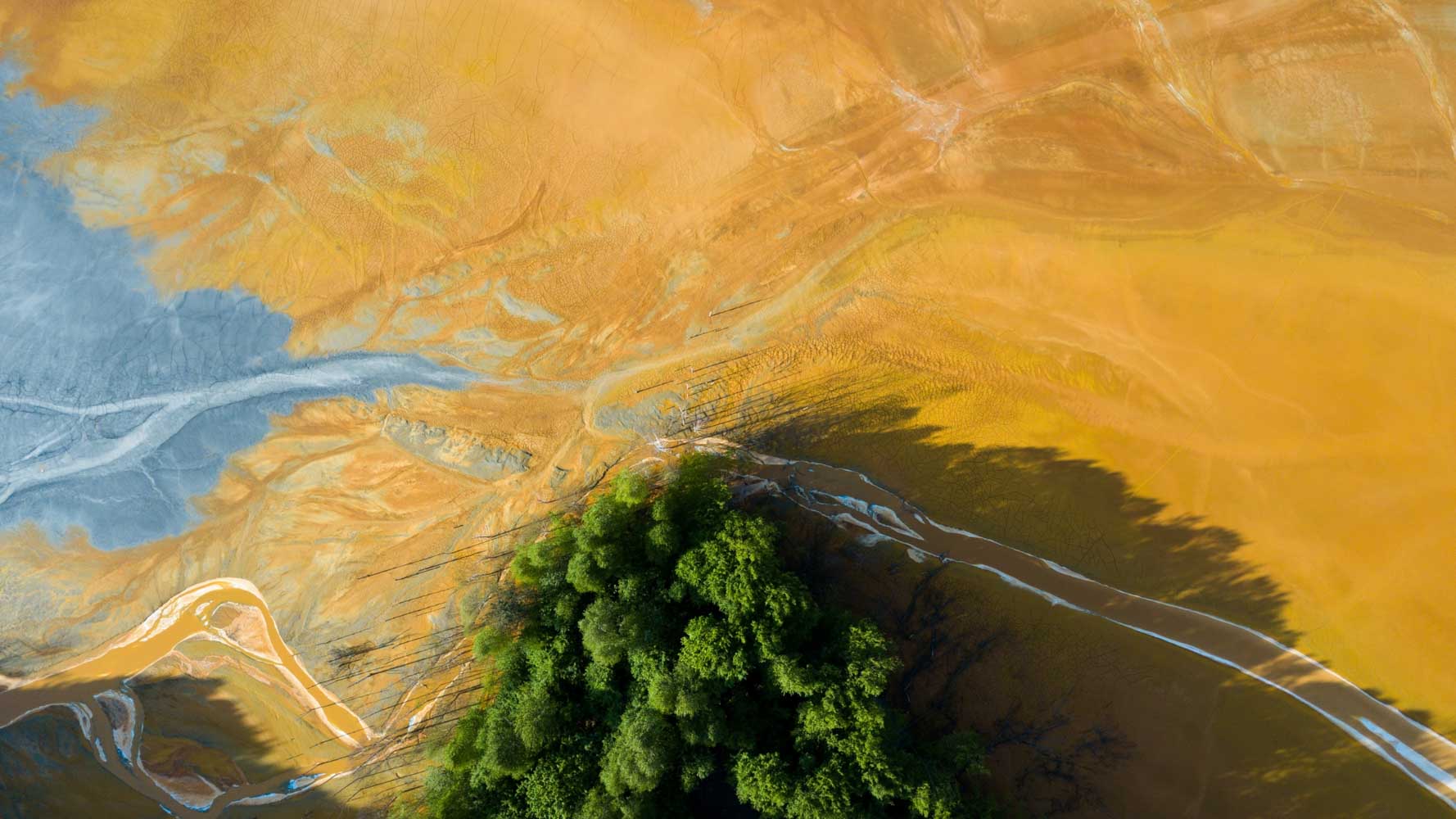
For every gram of gold, industrial mining moves around three tonnes of rock – some 18 tonnes for a single wedding ring. Gold is also
Oro Verde, Spanish for “green gold,” was a community program of Afro-Colombian miners in the rainforest of Chocó, founded in 2000. They recovered gold and
Industrial gold mining moves around three tonnes of rock for every gram of gold it produces – roughly 18 tonnes for a single wedding ring.
Gold mining is two industries that happen to share a name. One employs around a million people and produces roughly 85 % of the world’s
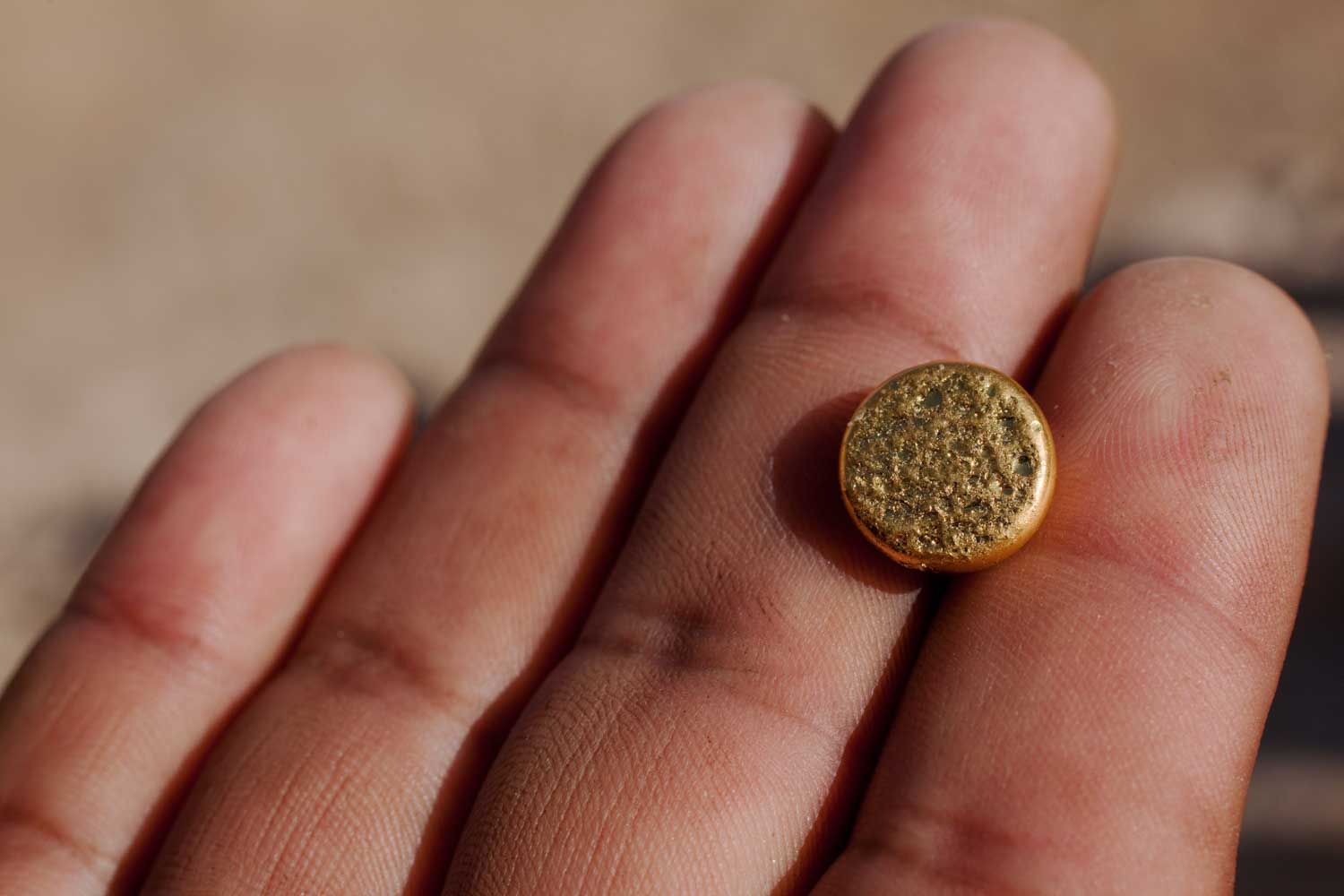
Around 100 million people worldwide live off artisanal and small-scale gold mining.1 That’s 90 to 95 % of every job in gold mining – from