
In this piece, Fairever founder Florian Harkort shares what first drew him to fair gold nearly two decades ago, how a question that surfaced in Ethiopia grew into a company – and what he sees differently today, a good ten years after founding it.
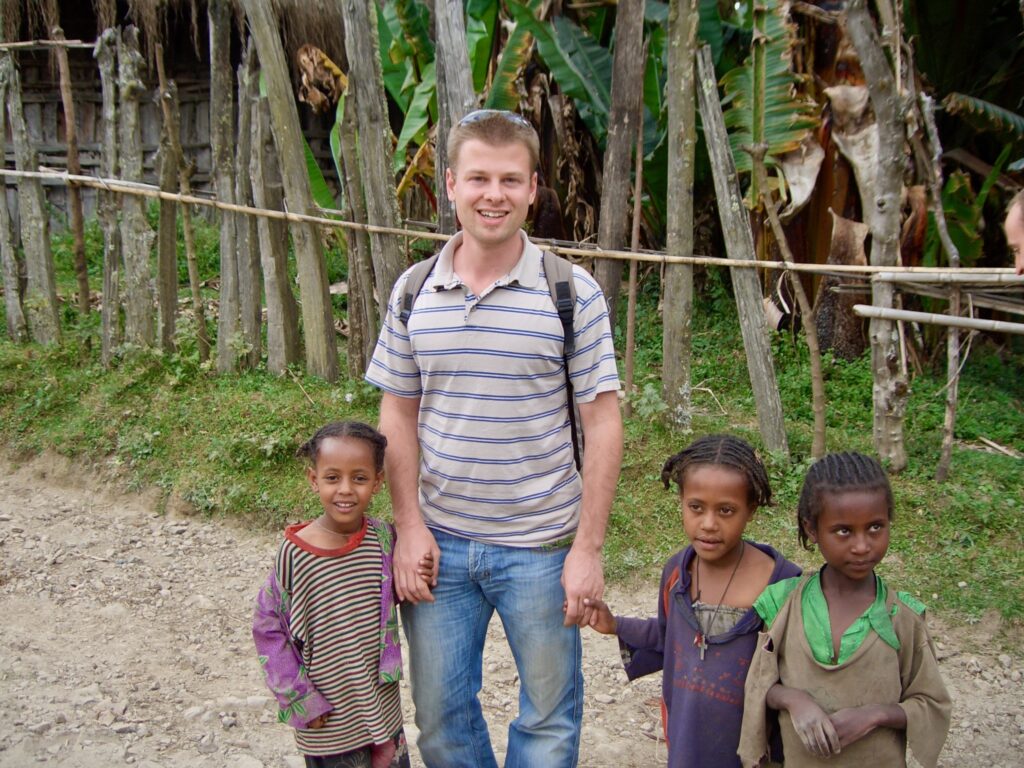
A Roadside Stop That Changed Everything
Ethiopia, 2008. An afternoon under the blazing African sun. I’m driving through the countryside south of Hawassa when a scene by the roadside catches my eye – something I can’t quite place at first: a moonscape of pits and mounds of earth, diesel generators roaring, crude tools, people in the middle of it all. I stop the car and get out. I’m curious. What I see looks so rudimentary that I can hardly believe what I’m about to hear when one of the men explains what they’re doing here: digging for gold.
Gold? My first thought: But gold is so precious, so noble. How does this fit together?
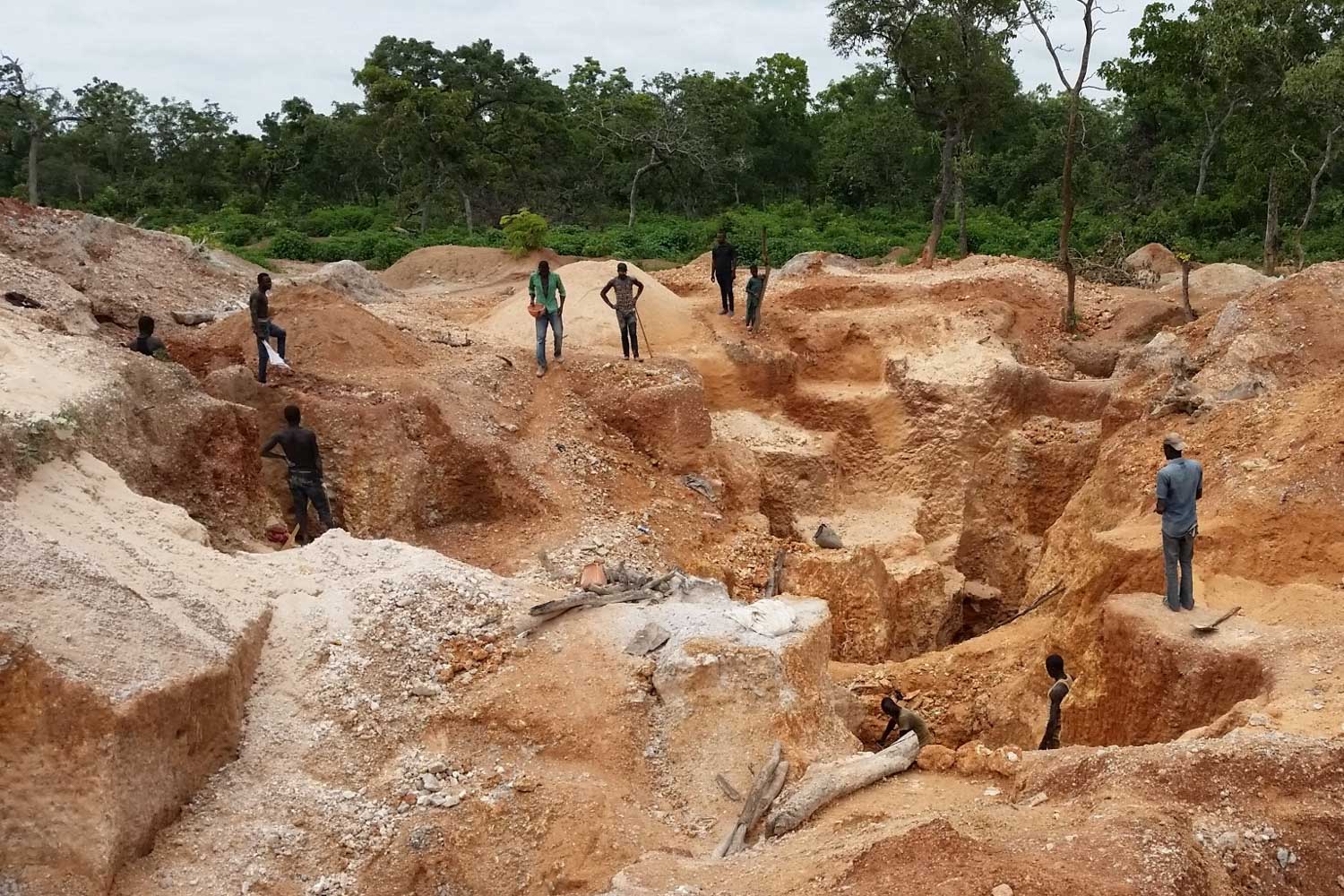
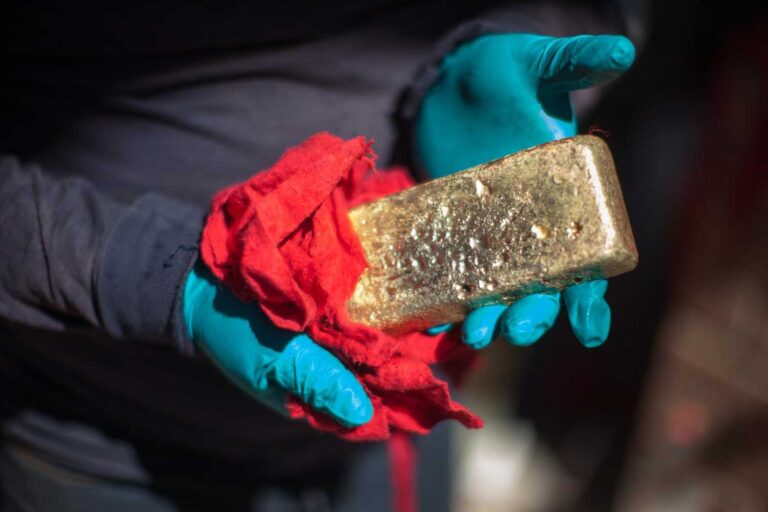
The man walks me through their working routine. It’s open-pit mining. Men dig in unsecured pits. Women carry far too heavy sacks. Children sort through heaps of rock by hand. Gaunt bodies, sunken eyes, cracked hands. He shows me how the ore is washed and then mixed with mercury, which they burn over an open flame to release the gold – inhaling the toxic fumes without any protection. He explains that for the families here, this mining isn’t a choice but a necessity. It’s their only source of income. Some days they strike gold, some days nothing. Sometimes there isn’t enough money to put food on the table. The children have to help – their labor is needed. The hope of one big find is a constant companion.
Maybe 45 minutes – that’s all this unplanned stop lasts. Then I drive on. But that brief encounter would change my life.
A Contradiction That Never Let Go
In the weeks that followed, that roadside stop kept coming back to me. Slowly it took shape as an image I couldn’t shake – a contradiction in three parts.
There are the people I meet in Ethiopia every day: warm, smiling, generous, hospitable. There’s the reality I saw that afternoon: dangerous work, poisoned bodies and soil, no fair share of the proceeds, children kept out of school. And at the other end of that same supply chain: sparkling jewelry and gold bars in wealthy countries – symbols of beauty and prosperity. Gold is beautiful. But its journey there is often brutal.
Who I was back then: 25 years old, fresh out of a degree in agricultural economics from the University of Hohenheim, working in Ethiopia for the German development agency GTZ (now GIZ) on an economic support program. I’d studied agricultural economics because I wanted to work in development cooperation. The concept of sustainability has its roots in forestry and agriculture – and to me it was clear early on: development that isn’t sustainable isn’t good development. During my studies I’d already been involved with AIESEC, promoting intercultural exchange, and had worked at EY in sustainability consulting.
In other words, I’d long been drawn to topics that sat somewhere between the Global South, economic development, and responsibility. But that day in Ethiopia was different. It was no longer theory. It was concrete. And it left me with a question I couldn’t shake: How can I support people in artisanal mining?
The Second Question, Sparked in Germany
2008 was also the year of the global financial crisis. While I was in Ethiopia, I caught wind of family members back in Germany debating how to protect their savings. Suddenly, gold as an investment was a topic at the kitchen table. What should have been a simple question – Where’s the best place to buy gold? – became something much bigger for me. Because I had just seen where gold can come from.
I asked my sister, who is a goldsmith. “Tell me, do you actually know where your gold comes from?” She said she could ask her supplier. A few days later the answer came back: “They don’t really know. Could be from anywhere.” With all the traders and refineries mixing the material together, that’s just how it was. That was the industry’s official answer.
To me, that was unacceptable. It was 2008! Coffee, chocolate, bananas, flowers – all had long been available with Fairtrade certification to guide consumers. But gold – the very metal whose extraction causes some of the worst environmental and social damages – nobody knew a thing. So I started digging. Back then I found exactly one project I considered a real alternative: EcoAndina, a responsible artisanal mining project in Argentina. My family went on to buy their gold there. So there were ways. They were just hard to find.
Out of these two questions, an answer slowly took shape that would later become the foundation of Fairever: what’s needed is verified, responsible small-scale mining – mining that creates safe working conditions and lets local communities share in the value created. Mining that enables sustainable development instead of preventing it.
Seven Years of Detours – To the Other End of the World
Seven years lay between that realization and the founding of Fairever. I was in my mid-twenties, curious, and had a feeling that the right paths would open up at the right time.
After Ethiopia, I co-founded pocketvillage with friends from university – a search engine for unique activities and tours around the world. Travel, the Global South, different cultures coming together: all of it had always fascinated me. pocketvillage gave me the chance to learn, as a founder and managing director, what it takes to build a company – experience that would serve me well later on.
In 2014, we sold the company. Soon after, my wife and I had our first child. And during our parental leave, we did something that may have sounded crazy from the outside but felt absolutely right to us: with our four-month-old baby, we drove a VW camper from Berlin to Bali. Six months across many countries and cultures.
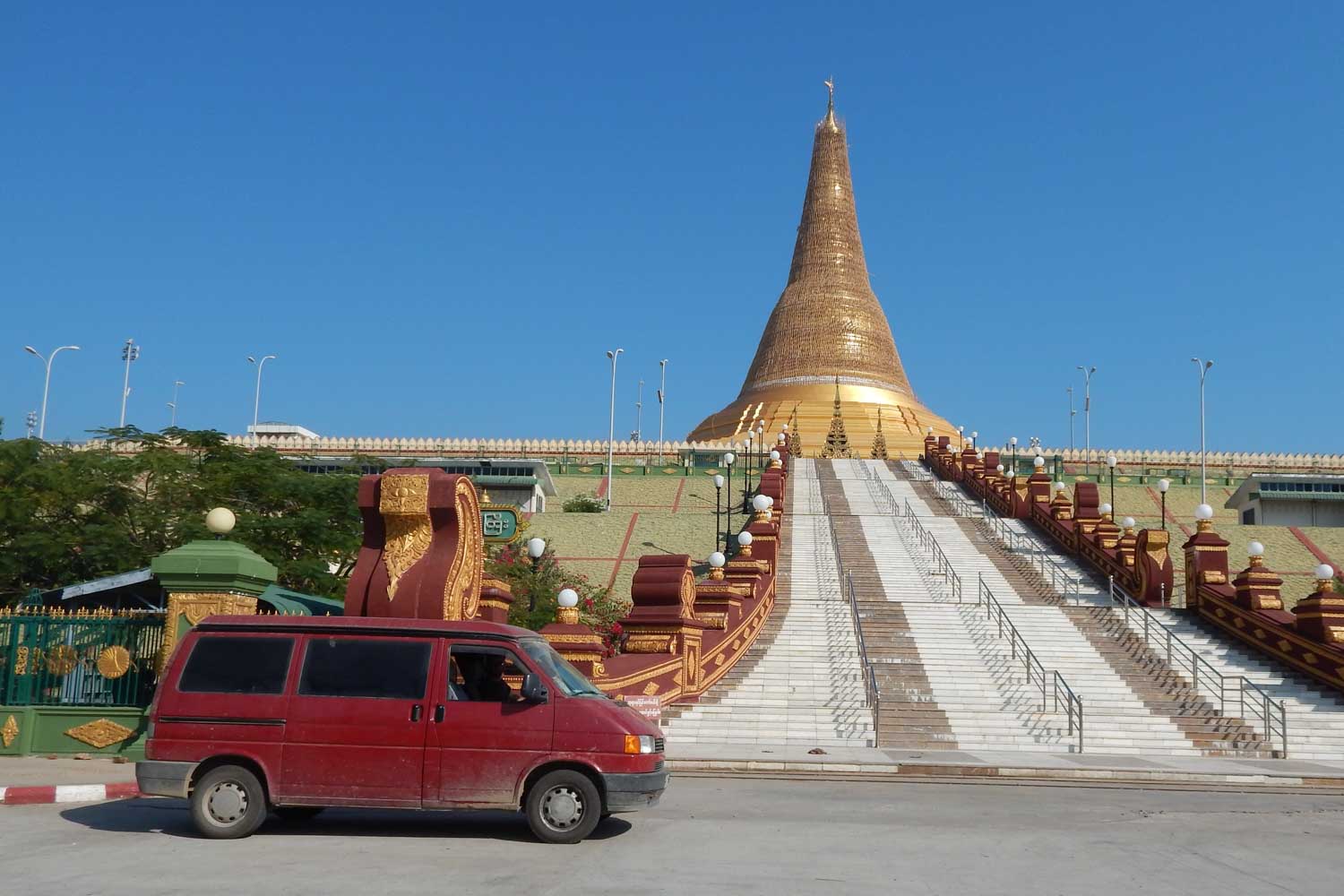
The trip confirmed what I’d already sensed in Ethiopia: that this planet is breathtakingly beautiful and worth protecting, and that the vast majority of people – especially in the poorer regions of the world – are kind and generous. Every one of them deserves a life of dignity and the hope of a better tomorrow for their children.
Arriving in Bali, everything came full circle. Gold plays an enormous role in the culture there: in jewelry, in rituals, in religious ceremonies. I saw it everywhere. And everywhere, I found myself thinking again of the children in Ethiopia. The sale of pocketvillage had left me free to start something new; I had experience building a company – and an idea that had been ripening in me for seven years.
Back in Germany, I researched what had happened in the fair gold market – and found a crucial opening: Fairtrade Gold had launched in the UK in 2011 and was on the verge of launching in Germany. The standard existed. The label existed. But in Germany, there was still no precious metals dealer using it. I got in touch with Fairtrade Germany. A partnership was formed. And Fairever was born.
Founded in 2015: An Outsider in the Thick of It
In 2015, I founded the company – first under the name TRAID GOLD, later renamed Fairever. I was no industry insider; I knew neither the established channels nor the unwritten rules. But that may have been the decisive advantage: I was unburdened by “that’s how we’ve always done it” and by the convenient reflexes the industry still clings to today – like the claim that recycled gold is automatically sustainable and that new gold mining is thus no longer necessary..
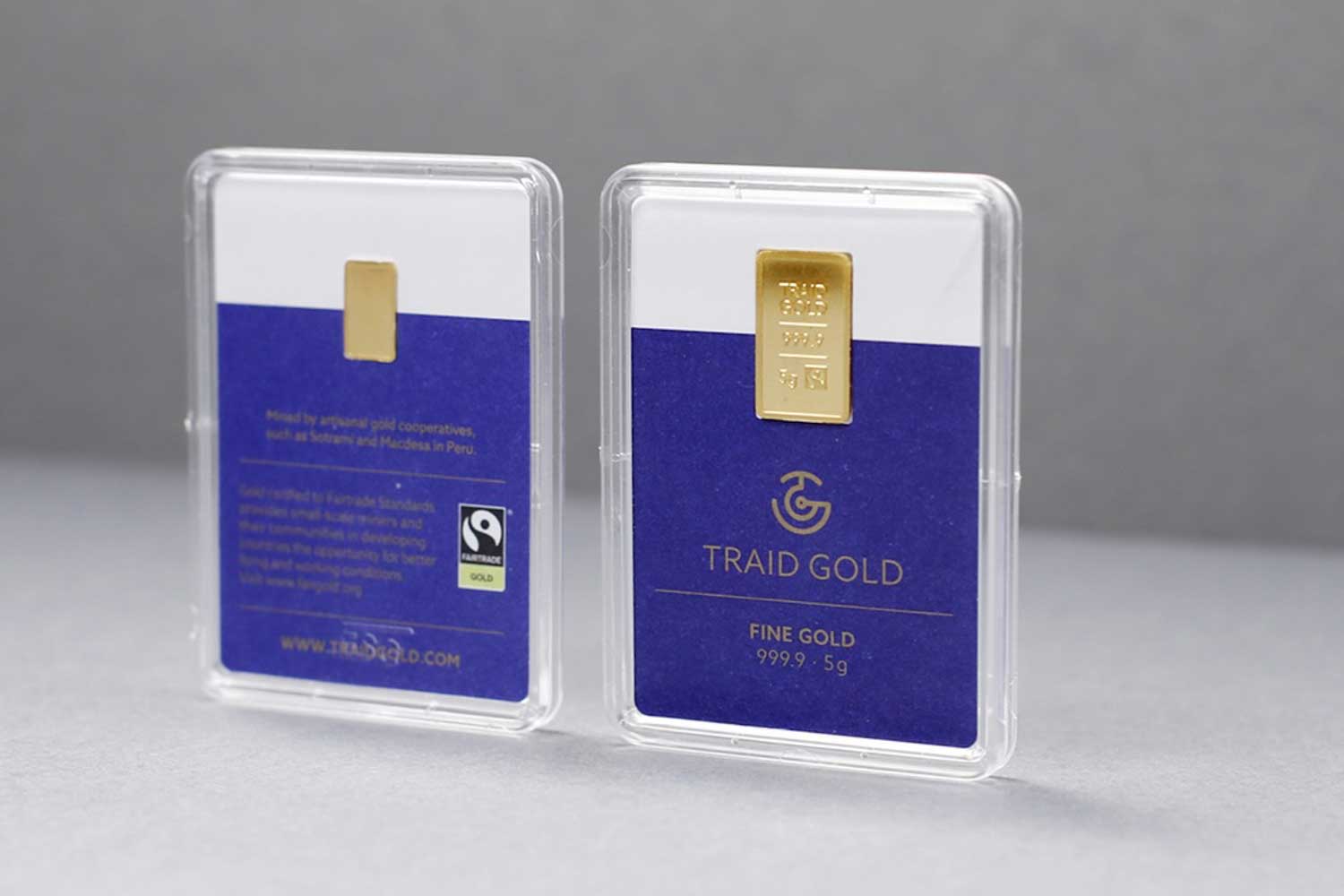
Fairever became the first Fairtrade-certified precious metals supplier in Germany. That same founding year, we brought the world’s first certified Fairtrade Gold bars to market. Two years later, in 2017, followed the accreditation as one of the first Fairmined Authorized Suppliers in Europe. Ever since, we’ve been bound by a close partnership with the Alliance for Responsible Mining (ARM) – the organization behind the Fairmined standard, whose global commitment to responsible small-scale mining remains essential to this day.
What Fairever really needed in those early years were brave customers – people willing to work with a complete newcomer and to tell their own clients a story the market didn’t yet know. I especially want to mention Jan Spille, the Hamburg goldsmith who was among the first in Germany to work with fair gold even before us, and whose pioneering spirit, persistence, and friendship carried me from the very beginning. Other early companions were – and still are – noën, Grüngold, Goldaffairs, Oronda, Aurhen, and Atelier Dosch: true pioneers and heroes! Without them, Fairever would never have survived those first years.
At least as important, from day one, was the Betts Group from Birmingham, a precious metals specialist with over 250 years of history. They were our close operational partner from the very start – without their experience in refining, processing, and logistics, Fairever simply wouldn’t have worked in those early years. That bond holds to this day – and I’d like to take this opportunity to personally thank Duncan Marshall, Operations Manager at Betts, for years of support, reliability, and a friendship that goes well beyond the professional.
What Fairever Built
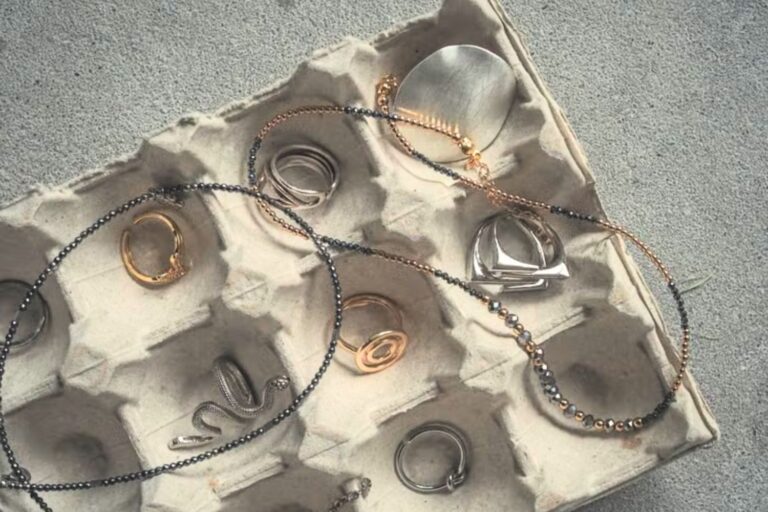
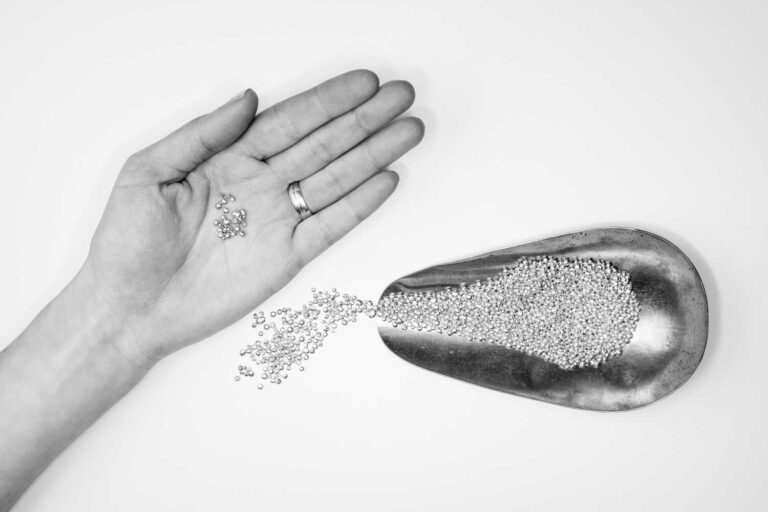
The real gap Fairever filled in Europe wasn’t fair gold itself – standards and committed pioneers already existed. What was missing was availability and choice. That’s the gap Fairever closed: with a constant, broad inventory of fine gold, fine silver, various alloys, semi-finished jewelry products, and investment products. Fair gold should be as readily available as conventional gold – only with certified origin, a story, and impact.
In 2018, Fairever moved to Leipzig, where we’re based today. In 2022, Desirée Binternagel (now Managing Director) and Carmen Weigelt (Finance & Operations) joined the team. What had been a solo project became a real company with a real team. Today there are four of us, supported by a strong network of partners and collaborators across various areas.
In 2024, we reached a milestone that moved us all: Fairever was awarded the German Sustainability Award – recognized as one of the pioneers of transformation in our industry. A deeply rewarding acknowledgment of our commitment.
Today, Fairever sources gold from more than ten Fairmined and Fairtrade certified mines in South America and supplies over 500 jewelry makers, manufacturers, and processors worldwide.
By the end of 2026, Fairever will have channeled around one million US dollars in premiums back into mining communities – money that has gone into schools, clinics, water pipes, protective equipment, and safer working practices on the ground. By now, our work has measurably improved the lives of thousands of people in the Global South.
Journeys to the Golden Sources
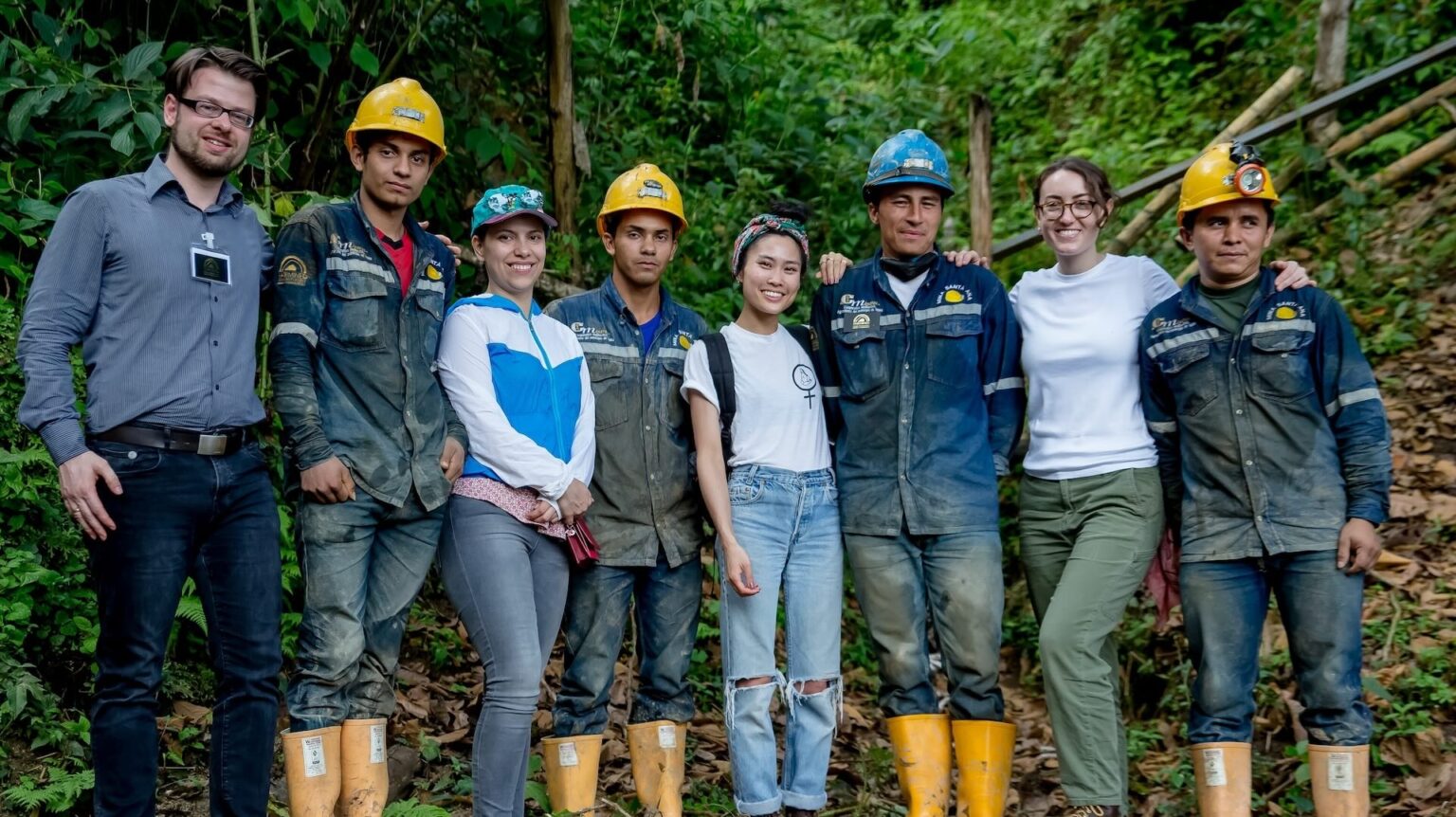
Something that easily gets lost in the daily grind in Leipzig: what we do, we do for the mining communities. Certifications and independent audits matter – but we also like to see for ourselves that life is genuinely improving for the people on the ground. These regular trips to the mining communities are the most motivating part of this job for me: sustainable development you can see and feel. Proud miners and laughing children are the greatest reward I can imagine.
A selection of the trips that have had the greatest impact on me:
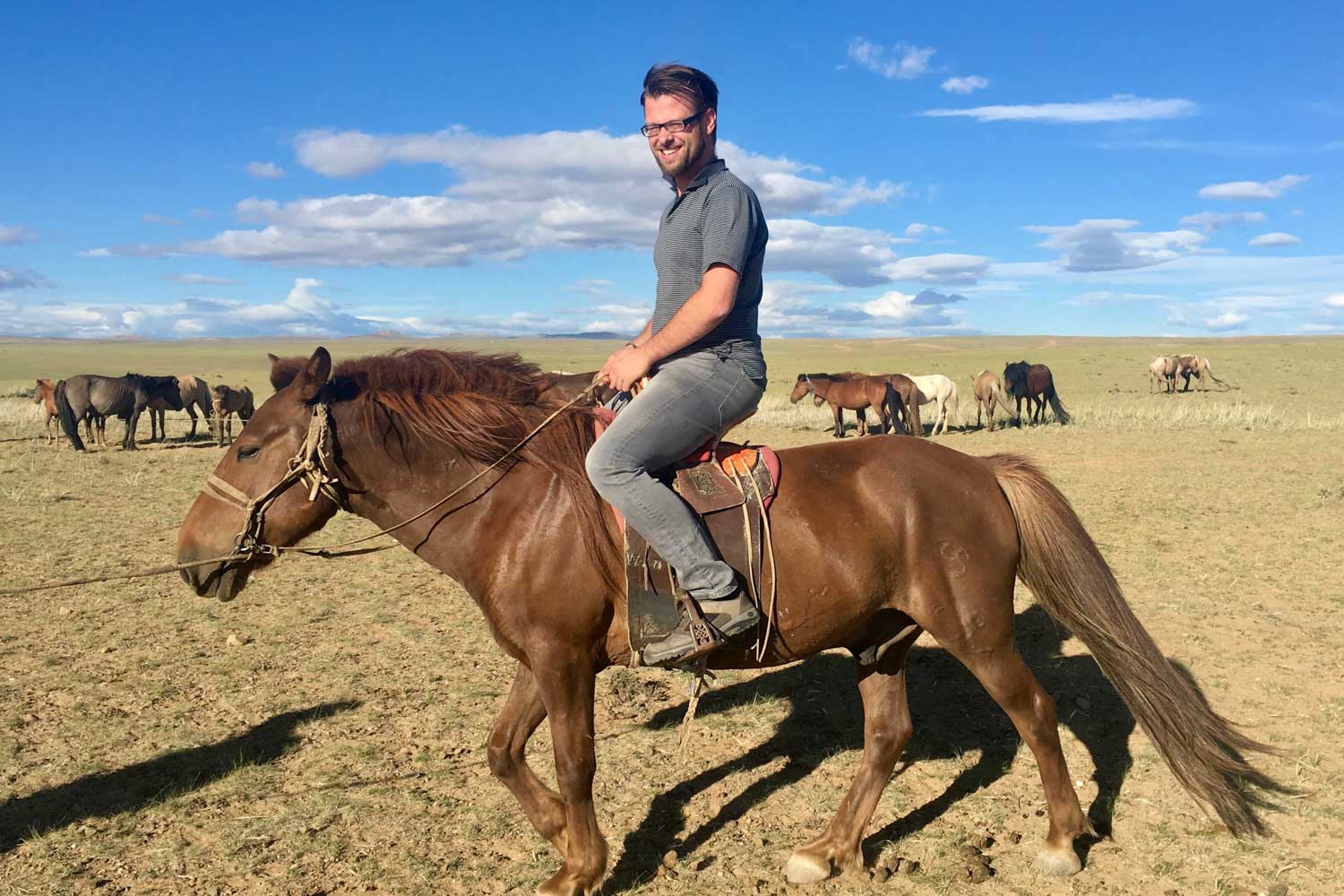
In 2017, I went to Mongolia – my first mining trip on my own initiative. I was invited by the small-scale mining organization XAMODX, with whom I built the world’s first Fairmined Ecological Gold supply chain out of Mongolia. What began as a business trip became one of the most wonderfully strange experiences of my life: an invitation into a private yurt, fermented mare’s milk (airag) from big bowls, and then a ride together across the endless steppe. Some business partnerships begin at a conference table. This one began on horseback.
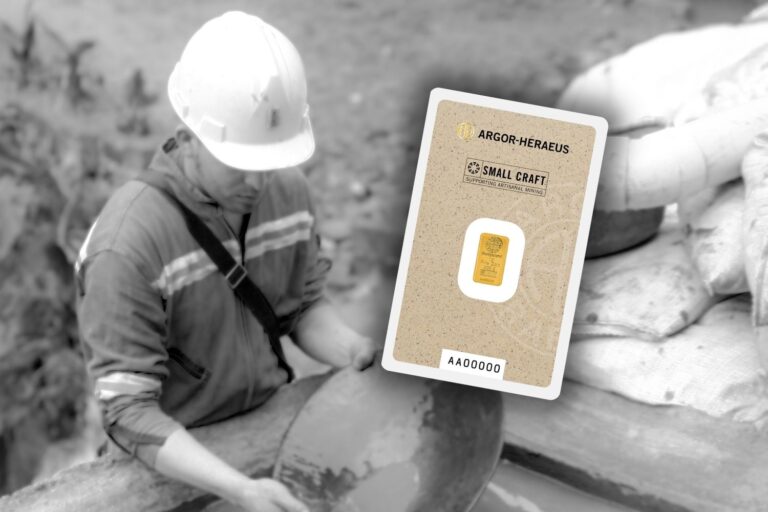
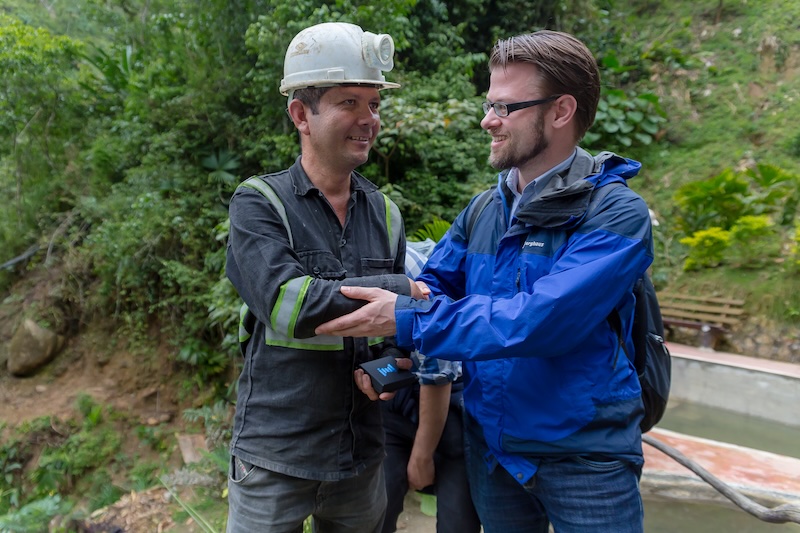
In 2018, I traveled to Colombia, together with the Alliance for Responsible Mining. What impressed me most was the Iquira cooperative in the highlands of Huila. The mine entrances lie hidden among coffee plantations. The families there combine gold mining and coffee farming – depending on the season, you’re a miner or a coffee farmer. It’s a prime example of sustainable development, because it gives people more than one source of income and diversifies the regional economy.
In 2019, I traveled to Peru and visited three certified mining organizations: Sotrami and Macdesa, both Fairtrade-certified, and Oro Puno, holding the highest standard – Fairmined Ecological, meaning gold mined entirely without harmful chemicals. Oro Puno sits at 4,700 meters (approx. 15,400 feet) in the high Andes, where the air is noticeably thin – every step a reminder of the conditions under which these people work, day after day, for our gold. There too, responsible small-scale mining is a success story: verified safety standards, women in leadership, health clinics and schools.
In 2021 came a truly special trip: Colombia again, this time with Jan Spille and a film crew. The result was the documentary “Gold and Glitter – Fair Trade Jewelry“, broadcast on ZDF, Germany’s public TV network. For the first time, a broad German audience could experience from their homes what responsible small-scale mining really looks like – not as an abstract concept, but as the real work of real people.
Why I’m Still Sometimes Frustrated
It would be dishonest to say this path was easy, or that it is today. There are days when my energy runs out. Especially when big jewelry brands solemnly announce they’ve “switched to 100 percent recycled gold,” and the industry applauds as if they’d done something great for people or the climate.
Let me be clear: the usual “recycled gold” solves not a single problem at its root. It doesn’t mean less new gold is mined – global demand for gold is robust and growing. And it doesn’t bring better conditions to a single mining community in the Global South. It only diverts attention away from the places where gold actually comes out of the ground – and where we, as an industry, bear responsibility. Selling generic “recycled gold” as the solution is, at best, self-deception. At worst: greenwashing.
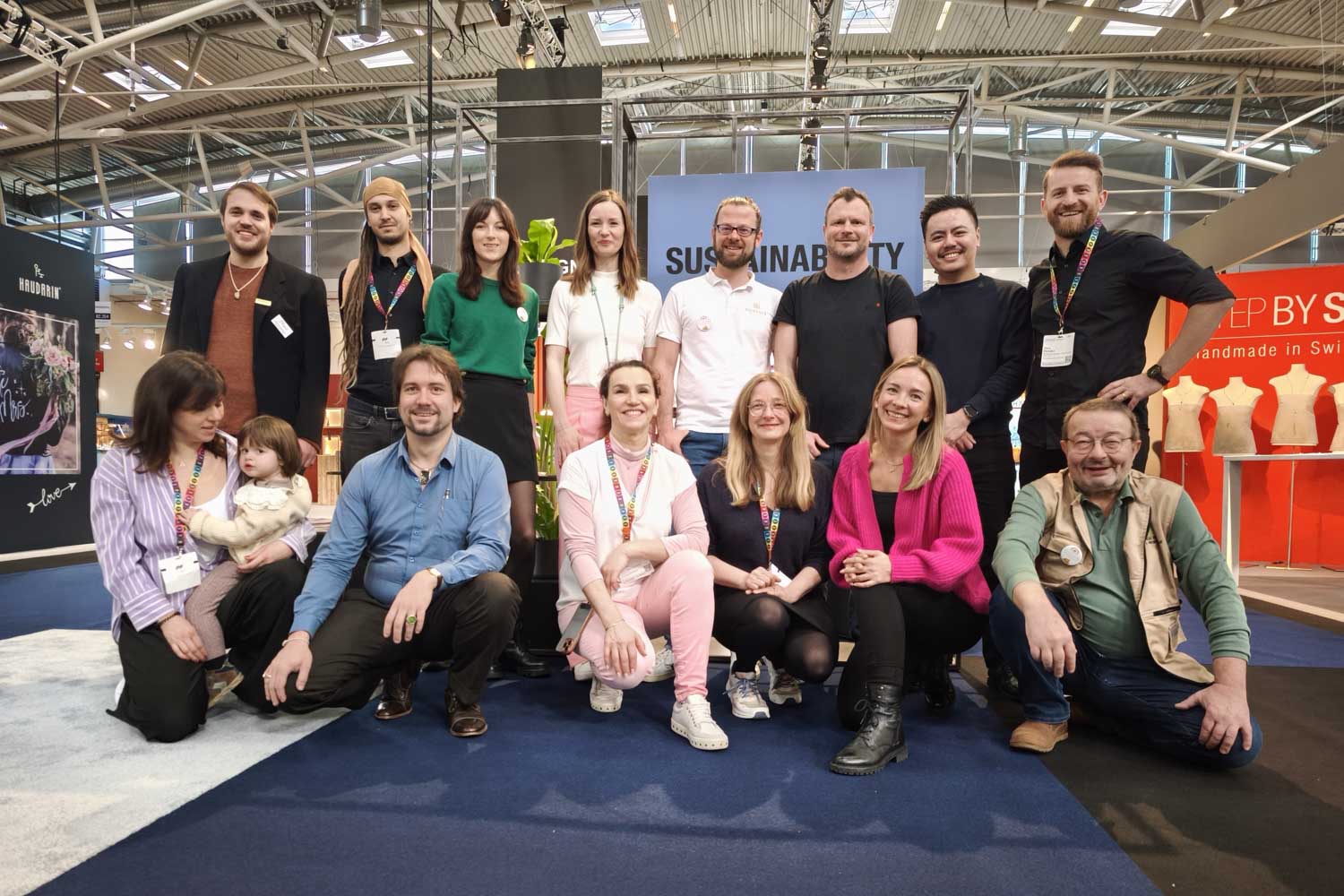
What pulls me out of moments of frustration like these is the people. The miners I’ve met in Peru and Colombia, who today look to the future with optimism. The jewelry makers building a different kind of supply chain with us, step by step. And not least, our annual Fair Get Together, which we organize at the Inhorgenta jewelry trade expo in Munich – a fixture on the industry calendar that feels like a warm family reunion. That’s the movement. And it’s growing.
A New Chapter – with an “Old” Partner
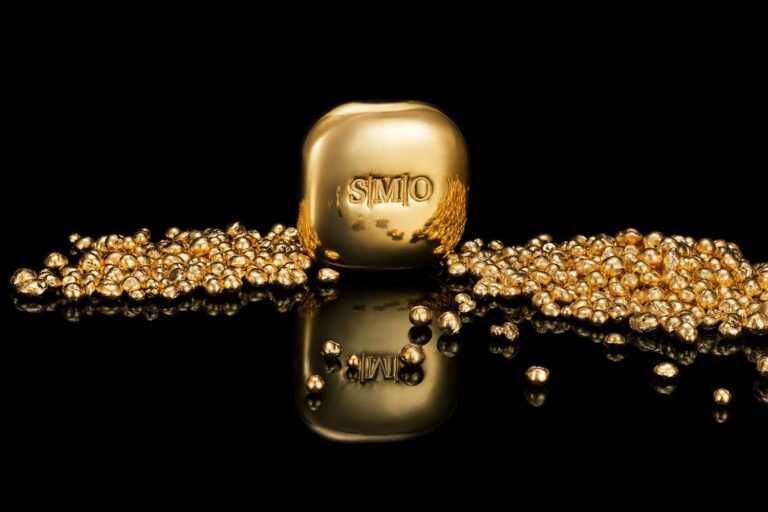
In late 2025, the next chapter began for Fairever: the Betts Group, our companion from day one, entered into a deepened strategic partnership with Fairever. With it, our portfolio expands to include products like Single Mine Origin Gold, and we gain access to additional expertise and an international network.
More important than the operational expansion is what this partnership means for the future: it puts Fairever on a far more solid long-term footing. We’ve found a partner who shares our vision 100 percent, who knows the business from its own experience, and who – with over 250 years of industry history – brings a horizon we couldn’t have reached on our own as a young company.
What began as a small, idealistic venture is becoming a platform for systemic change in the global gold market – with the same mission, but far greater impact.
Today: Strategy and Advocacy
Since Desirée Binternagel took on leadership as Managing Director in 2023, I’ve been able to focus on what I’m most passionate about: strategy, partnerships, and advocacy. Writing pieces like this one. Talking with jewelry makers and investors about what lies behind their gold.
What I see differently today than in 2015: back then I thought that once fair gold was easily available, the market would adopt it quickly. Today I know the product alone isn’t enough. Responsible gold doesn’t sell itself just by existing – it takes education, storytelling, and long-term partnerships. That’s exactly where my focus lies today.
What guides me in this is a core conviction: sustainable development works best when as many people as possible can take part in it. Not through paternalism imposed from outside, and not through centralized mega-projects, but through better conditions at the grassroots – for the people who are the lifeblood of our global supply chains, day after day. For me, fair trade begins with small players getting the same market access (and respect) as the big ones. And with labor and environmental standards being consistently raised worldwide. It’s about participation and equal opportunity.
I’m a rational optimist – I believe in data and standards, in audits and measurable impact rather than fine words. But I also believe this: a better future for all of humanity is possible. Including, and especially, in mining – an industry that has lived in the shadow of its own supply chains for so long.
What Gold Can Be
What began nearly two decades ago at a gold digger camp by the roadside in Ethiopia has evolved. It’s no longer just my story. It’s the story of a growing movement – carried by miners in the Andes and the Colombian highlands, by goldsmiths in Leipzig, Paris, and Barcelona, by brands that genuinely want to know where their material comes from, and by customers who ask the right questions.
I firmly believe that jewelry and gold bars are more than products. They can become a driving force for good – for the people who get the gold out of the ground, for the regions it comes from, and for an industry ready to rewrite its own story.
Gold is beautiful. And if we do it right, the journey there can be a source of joy, too.