
Gold has fascinated humanity for thousands of years. It symbolizes love, achievement, beauty, and value. Whether crafted into wedding rings, heirloom jewelry, investment bars, or meaningful gifts, gold often marks life’s most important moments.
But behind every gram of gold lies a story.
The question is: what kind of story do we want our gold to tell?
At Fairever, we believe precious metals should create positive impact—not only for those who wear them, but also for the people and communities who produce them. That is why we are passionate about Fairtrade Gold.
In this article, we explain what Fairtrade Gold is, how it works, why it matters, and how it differs from so-called recycled gold.
What Is Fairtrade Gold?
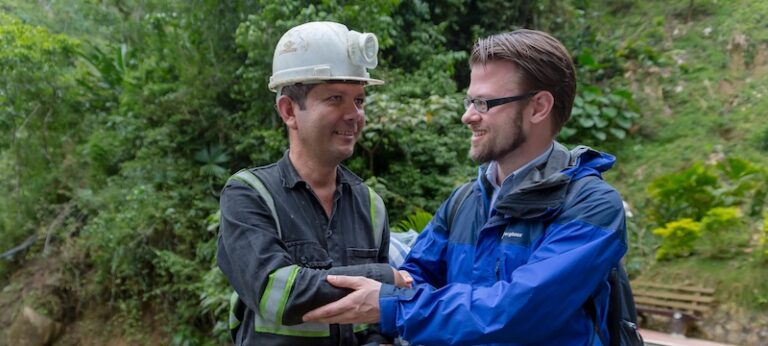
Fairtrade Gold is gold sourced from certified artisanal and small-scale mining organizations (ASM) that comply with rigorous social, environmental, and economic standards.
Unlike conventional gold supply chains, Fairtrade Gold is designed to improve the lives of mining communities while promoting responsible mining practices.
The Fairtrade system focuses on:
- Fairer incomes for miners
- Safer working conditions
- Environmental protection
- Community development
- Transparency and traceability
- Long-term economic resilience
Every Fairtrade-certified mining organization undergoes independent auditing and must continuously meet Fairtrade requirements.
This means Fairtrade Gold is not simply a product—it is a development model.
Why Does Fairtrade Gold Matter?
Many people are surprised to learn that approximately 20% of the world’s gold supply comes from artisanal and small-scale mining.
Globally, around 45 million people depend directly on this sector for their livelihoods.
These mining communities often operate in remote regions where economic opportunities are limited. While artisanal mining can provide essential income, miners frequently face challenges such as:
- Unsafe working conditions
- Exposure to toxic substances
- Lack of protective equipment
- Limited access to healthcare
- Informal employment structures
- Environmental pressures
- Market dependency and unstable incomes
Fairtrade was created to address these challenges directly.
Rather than avoiding mining communities, Fairtrade engages with them and helps create measurable improvements.
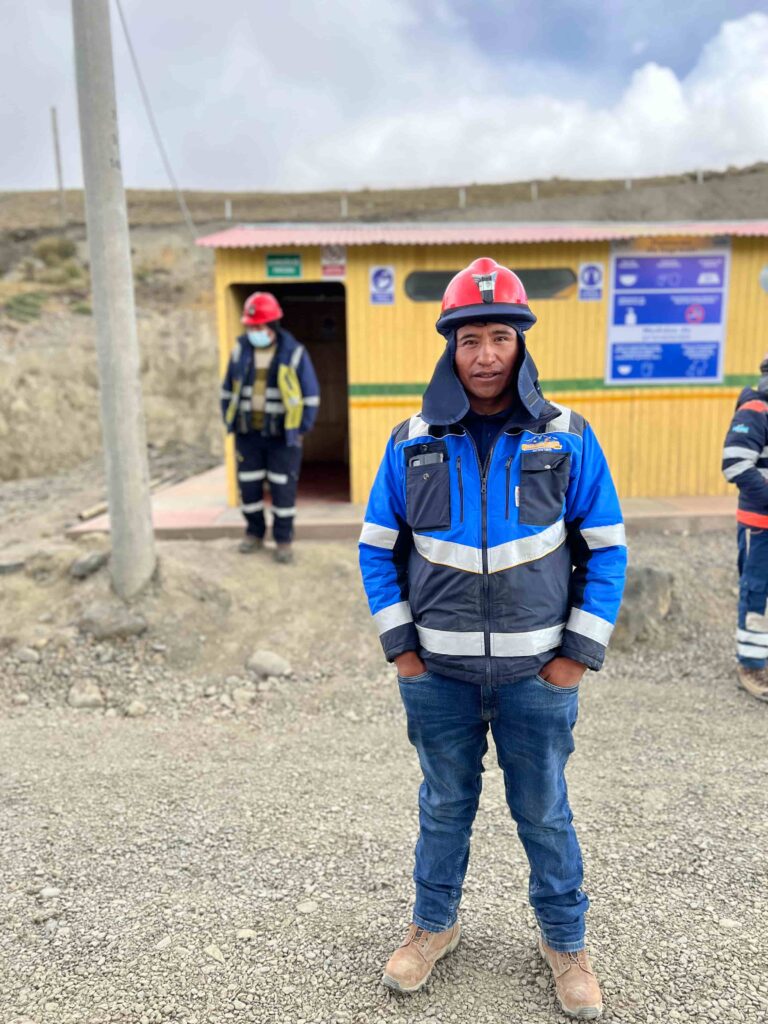
How Fairtrade Gold Creates Positive Change
Fair Prices and Market Access
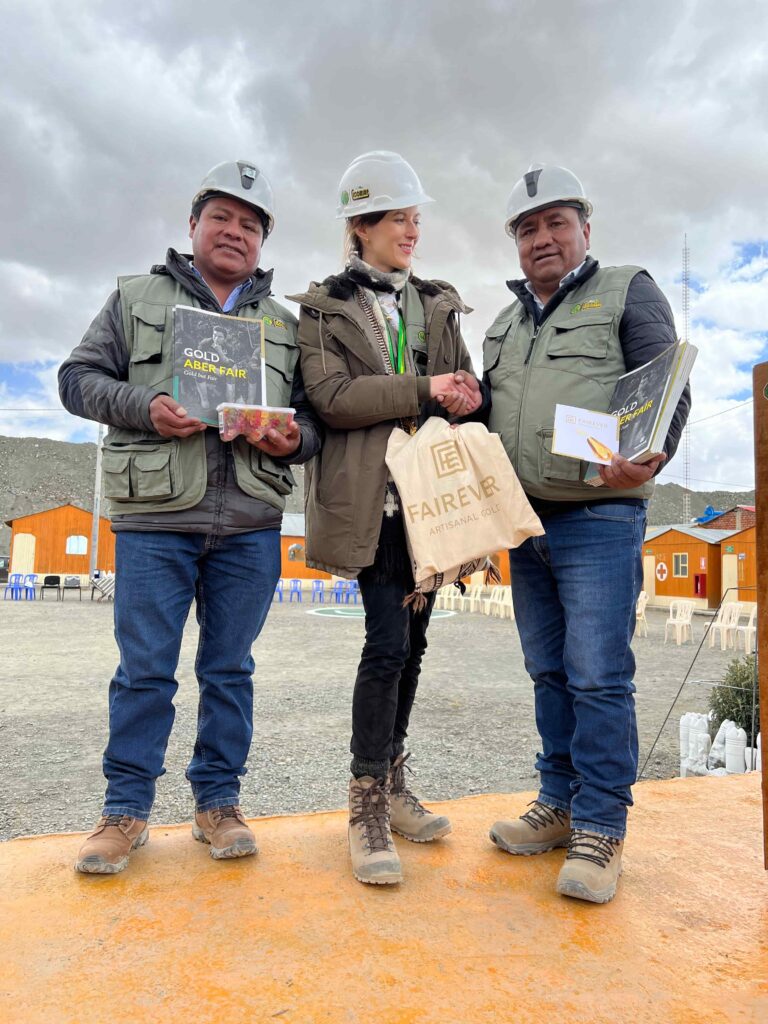
One of the most important benefits of Fairtrade certification is access to international markets under more favorable conditions.
Certified mining organizations receive:
- More stable market access
- Better trading opportunities
- Reduced dependence on local middlemen
- Improved economic security
This helps mining organizations invest in their future and plan for long-term growth.
The Fairtrade Premium: Gold That Gives Back
The defining feature of Fairtrade Gold is the Fairtrade Premium.
For every kilogram of Fairtrade Gold sold, miners receive an additional payment of:
USD 2,000 PER KILOGRAM
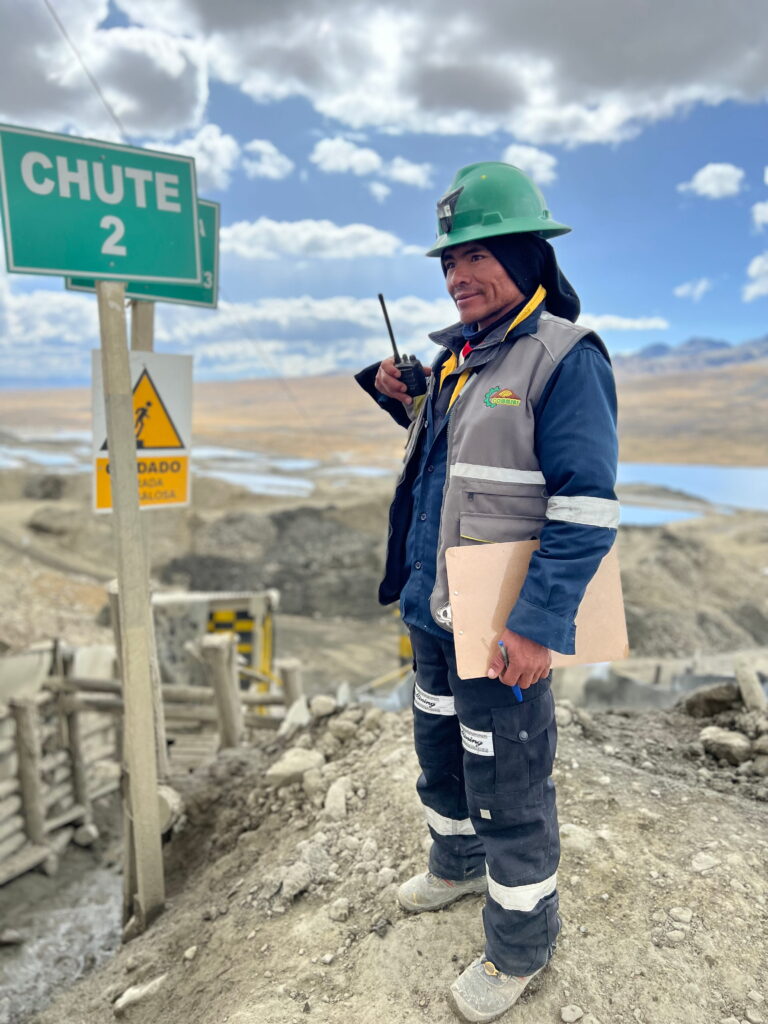
This premium is paid directly to the mining organization and is managed democratically by miners themselves.
The funds are invested in projects chosen by the community according to their own priorities.
Between 2014 and 2024, Fairtrade-certified mining organizations in Peru alone generated more than USD 12 million in Fairtrade Premium funds.
This is where the real impact begins.
What Does the Fairtrade Premium Fund?
The answer depends on what miners need most.
Unlike many top-down aid programs, Fairtrade communities decide for themselves how premium funds should be used.
Typical investments include:
Worker Safety
- Protective equipment
- Safety training
- Improved working conditions
- Ventilation systems
- Risk management measures
Environmental Improvements
- Mercury reduction programs
- Closed-loop water systems
- Water treatment facilities
- Ecosystem restoration
- Mine rehabilitation
Community Development
- Schools
- Educational materials
- Healthcare services
- Community infrastructure
- Drinking water projects
Production Improvements
- More efficient equipment
- Cleaner technologies
- Water management systems
- Productivity enhancements
This community-led approach ensures that investments address real local needs rather than external assumptions.
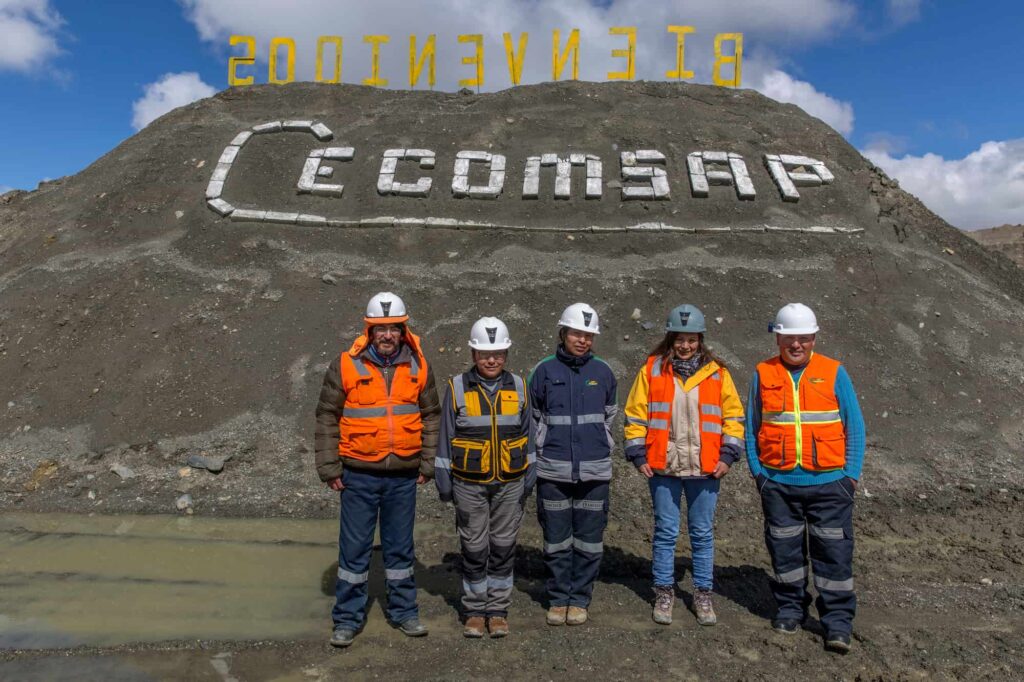
Real Examples of Fairtrade Impact
Mercury-Free Gold Processing
Historically, mercury has often been used in artisanal gold mining.
Mercury poses serious health risks to miners, their families, and surrounding ecosystems.
Fairtrade supports mining organizations in transitioning toward cleaner technologies.
For example, several Fairtrade mining organizations have invested in gravimetric shaking tables, enabling mercury-free gold recovery and dramatically reducing environmental contamination.
The result:
- Cleaner rivers and soil
- Safer workplaces
- Reduced health risks
- Better environmental outcomes
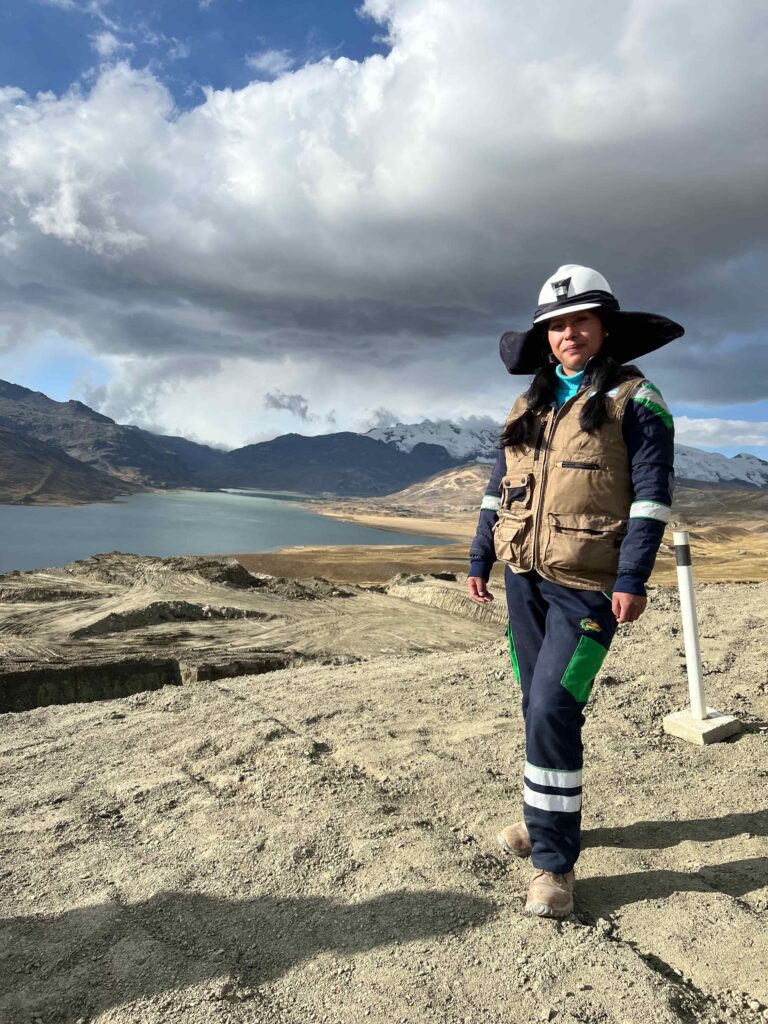
Supporting Women in Mining
Women play important roles in artisanal mining communities but have often lacked access to adequate safety equipment.
One Fairtrade Premium project provided personal protective equipment for 120 women working as ore sorters, including:
- Helmets
- Gloves
- Protective clothing
- Safety footwear
- Respiratory protection
The project improved safety while strengthening gender equality and visibility for women within the mining sector.
Clean Water for Communities
In some mining regions, access to safe drinking water remains a major challenge.
Using Fairtrade Premium funds, one mining organization built a dedicated water treatment facility to provide reliable access to clean water.
The impact extended beyond miners to benefit the wider community.
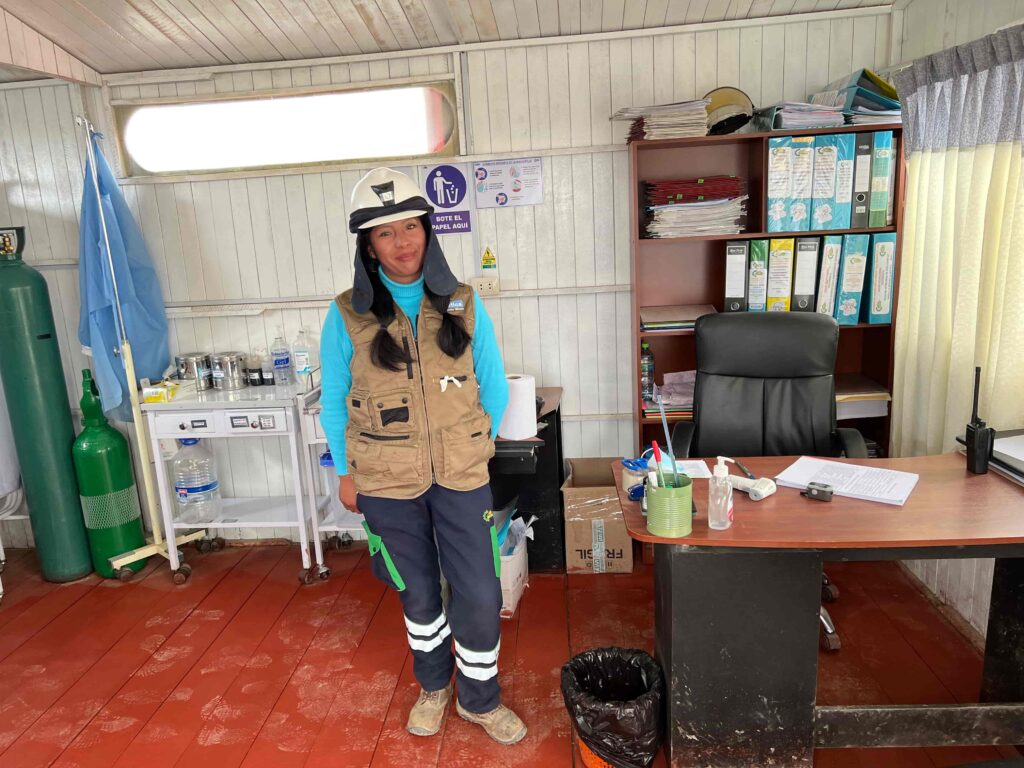
Better Living Conditions
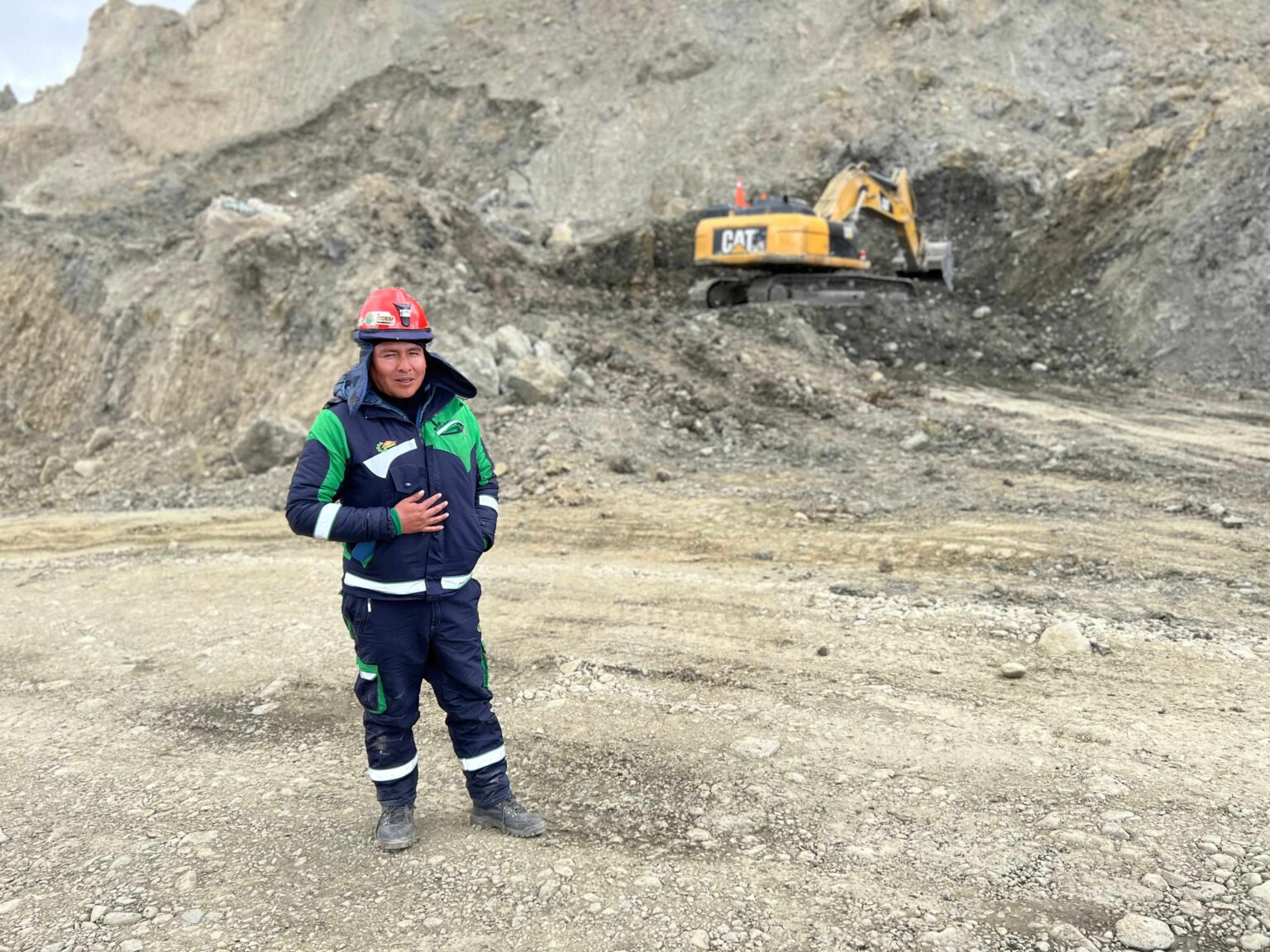
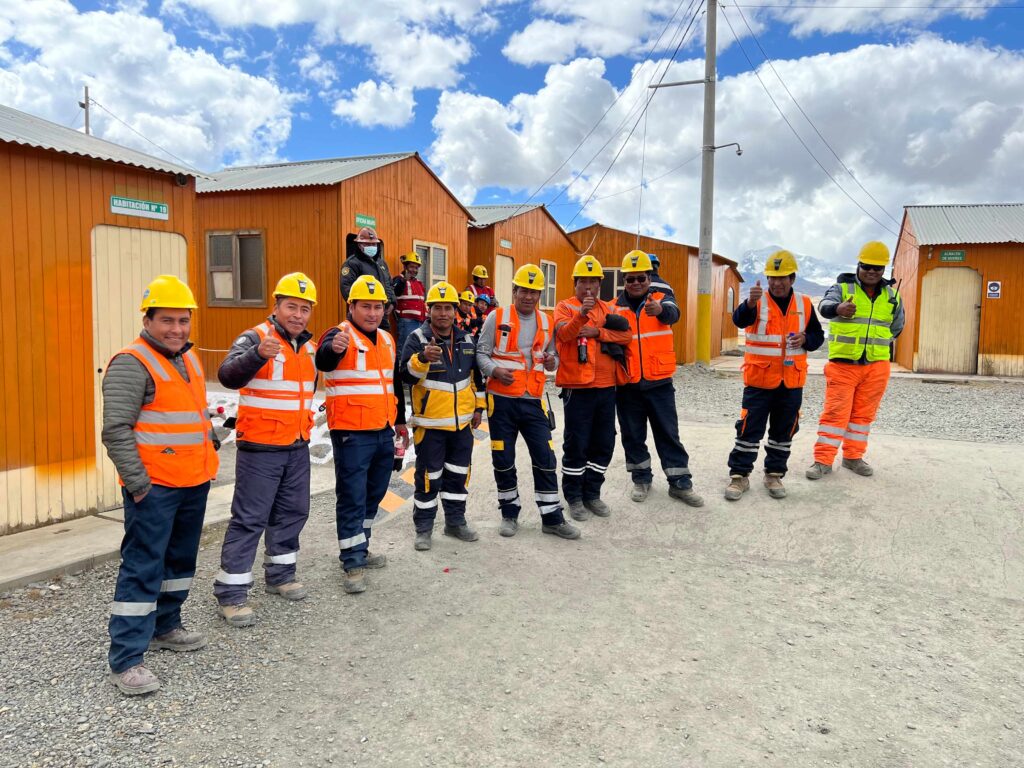
In high-altitude mining regions of the Andes, workers often spend weeks at a time in challenging weather conditions.
Fairtrade Premium investments have funded the renovation of worker accommodation facilities, including:
- Insulation improvements
- Dry sleeping quarters
- Furniture and storage
- Improved sanitation
The result is greater dignity, better health, and improved wellbeing for miners.
Environmental Responsibility Beyond Carbon
When discussing sustainable gold, many conversations focus primarily on carbon emissions.
While climate impact is important, responsible mining involves much more than carbon accounting.
Fairtrade addresses a wider range of environmental challenges, including:
- Mercury elimination
- Water management
- Soil restoration
- Ecosystem protection
- Responsible mine closure
- Pollution prevention
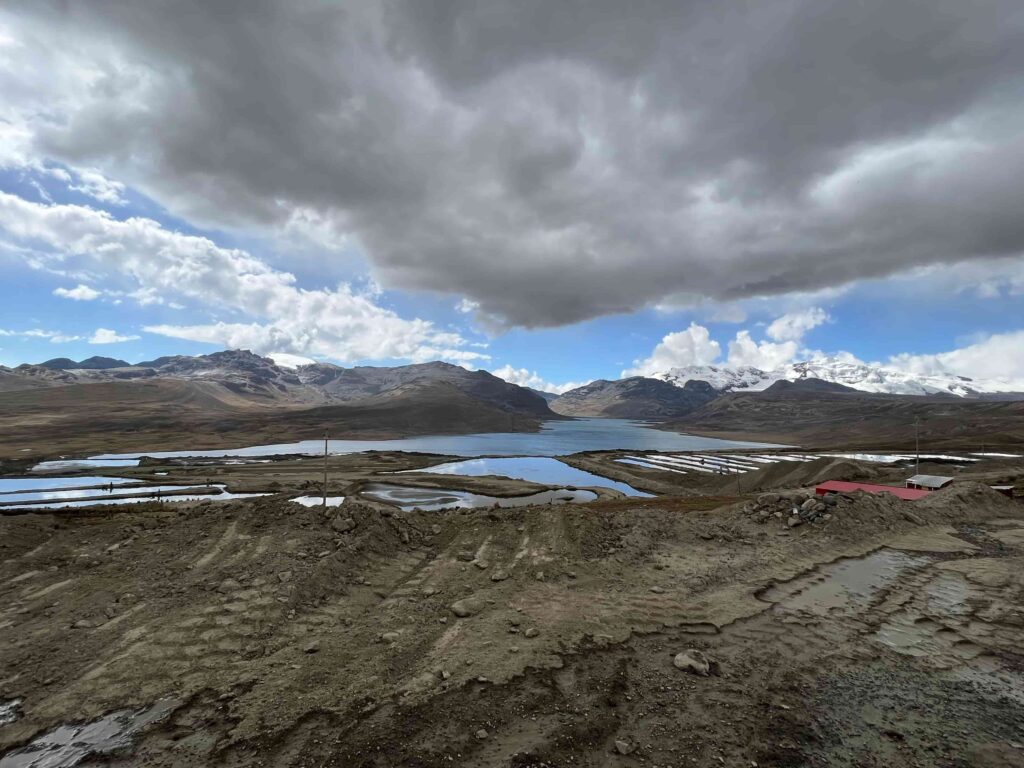
For example, Fairtrade mining organizations have invested in land restoration projects that rehabilitate mined areas and protect water systems.
Environmental responsibility is built directly into the Fairtrade standards.
Why Jewelers Choose Fairtrade Gold
For jewelry brands and independent goldsmiths, Fairtrade Gold offers several unique advantages:
Credible Sustainability Story
Customers increasingly want to know where their materials come from.
Fairtrade Gold provides a transparent, independently verified story of positive impact.
Full Traceability
Certified supply chains ensure clear traceability from mining organization to finished product.
Measurable Impact
Every purchase contributes directly to Fairtrade Premium investments.
Consumer Trust
The Fairtrade mark is one of the world’s most recognized ethical certification systems.
Fairtrade Gold vs. Recycled Gold: What's the Difference?
This is one of the most common questions we receive.
The answer is simple:
Fairtrade Gold and recycled gold solve different problems.
What Is Recycled Gold?
In reality, much of what is marketed as “recycled gold” is better described as reprocessed gold.
It typically consists of:
- Old jewelry
- Existing bullion
- Industrial scrap
- Previously refined gold
The gold is melted down, refined, and reintroduced into the supply chain.
This process can help reduce demand for newly processed material and may lower certain environmental impacts.
However, it does not improve mining conditions.
The social and environmental conditions under which the gold was originally mined often remain unknown.
What Fairtrade Gold Adds
Fairtrade Gold creates direct positive impact at the source.
It provides:
- Fairer incomes
- Better working conditions
- Community investments
- Environmental improvements
- Traceability
- Independent certification
In other words:
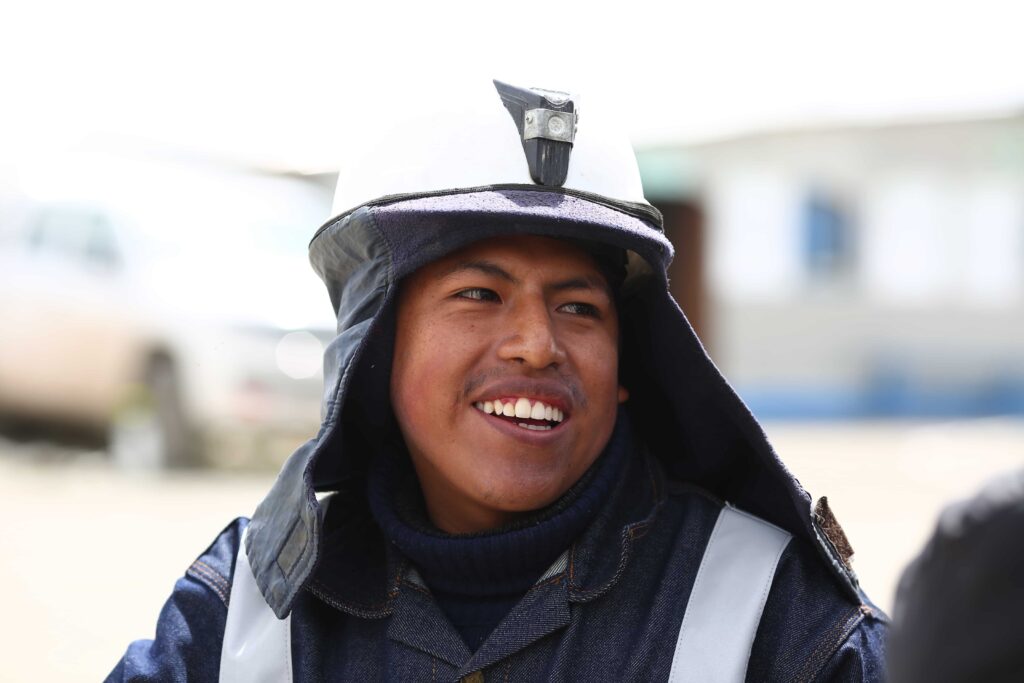
Reprocessed gold changes the metal.
Fairtrade Gold changes lives.
Is Fairtrade Gold Better Than Recycled Gold?
This is the wrong question.
A better question is:
What problem are we trying to solve?
If the goal is reducing material extraction and supporting circularity, reprocessed gold can play an important role.
If the goal is improving conditions in mining communities, supporting human rights, and creating measurable social impact, Fairtrade Gold is essential.
At Fairever, we believe responsible sourcing should address both environmental and social challenges.
The strongest approach often combines:
- Reprocessed gold where appropriate
- Responsibly mined Fairtrade Gold where direct impact is desired
Together, these approaches contribute to a more responsible jewelry industry.
Why Consumers Choose Fairtrade Gold
Consumers today increasingly want their purchases to reflect their values.
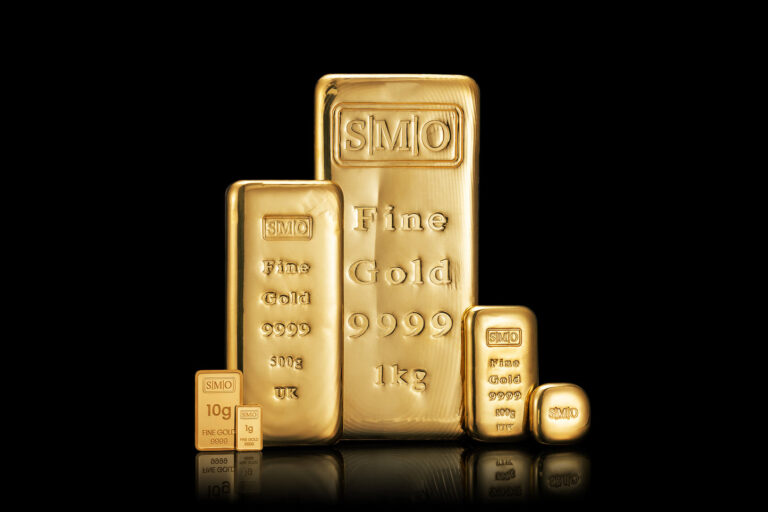
When buying a Fairtrade Gold wedding ring, necklace, or gold bar, customers know their purchase contributes to:
- Better livelihoods
- Safer workplaces
- Environmental improvements
- Community development
- Long-term positive change
The gold still shines.
It simply shines for more people.
The Future of Gold
Gold will continue to play an important role in our economies, our cultures, and our personal lives.
The challenge is not whether gold should exist.
The challenge is ensuring that the people who produce it can thrive.
Fairtrade Gold demonstrates that mining can become safer, fairer, and more environmentally responsible when transparency, accountability, and community empowerment are placed at the center of the supply chain.
Every gram tells a story.
With Fairtrade Gold, that story includes dignity, opportunity, and positive change.
You’ll find detailed information about the work of Fairtrade, the Fairtrade Gold Standard, and its benefits for artisanal and small-scale mining organizations on the Fairtrade Website.
These seals are used by Fairtrade licensed companies for Fairtrade-certified products:
Fairever is a Fairtrade certified supplier of
Fairtrade Gold and Silver.
This seal stands for Fair Trade.
Discover Fairtrade Gold at Fairever
Whether you are a jewelry maker seeking responsibly sourced materials or a customer looking for meaningful gold products, Fairtrade Gold offers a powerful way to align your purchase with your values.
Explore our Fairtrade Gold products and join us in creating a jewelry industry that benefits people, communities, and the planet.