
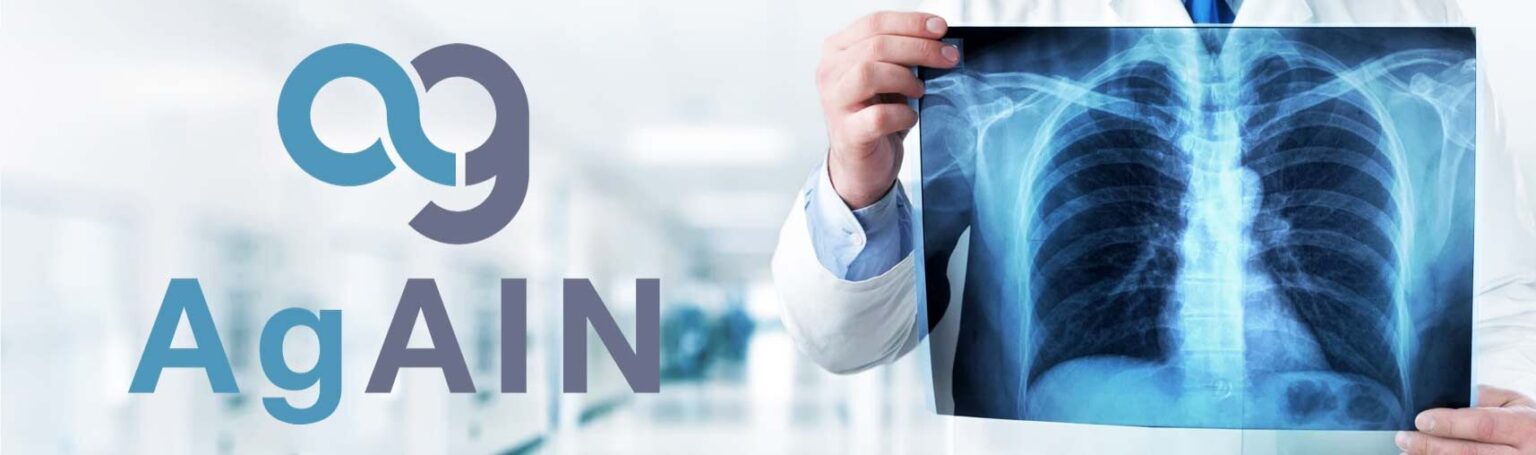
AgAIN Silver is a recycled silver recovered from medical X-ray film in the UK. At Fairever, we offer AgAIN Silver as part of our precious metals range for customers who are looking for a more transparent recycled silver option.
What makes AgAIN Silver distinctive is not a claim of complete historical traceability, but the fact that its post-consumer source is clearly defined. The recycled material is recovered from used medical X-rays in the UK. This gives clarity about where the material enters the recycling stream, while being honest that the silver’s earlier origin, including where it was originally mined, is not known.
For anyone researching AgAIN Silver, that is the key point: it is a recycled silver with a known post-consumer source and a clear material story, without overstating what can be traced beyond that stage.
AgAIN Silver At a Glance
What is AgAIN Silver?
AgAIN Silver is a recycled silver recovered from medical X-ray film in the UK and used for jewellery making.
Where does AgAIN Silver come from?
AgAIN Silver comes from used medical X-rays in the UK, giving the recycled material a clearly defined post-consumer source.
Is AgAIN Silver fully traceable?
AgAIN Silver has a known post-consumer source, but its earlier origin before entering the recycling stream is not known.
Why use AgAIN Silver?
AgAIN Silver offers a clearly defined recycled source, more precise source transparency, and practical suitability for jewellery production.
What Is AgAIN Silver?
AgAIN Silver is a recycled silver made from silver recovered from medical X-ray film in the UK. It is used for jewellery making and is available in several product forms, including grain, sheet, and wire.
This makes it relevant for jewellers, designers, and customers who want a recycled silver option with a more clearly identified source than generic recycled silver.
Where Does AgAIN Silver Come From?
AgAIN Silver comes from used medical X-ray film collected in the UK.
This means the origin of the recycled material is known at the post-consumer stage. In practical terms, we know what material stream the silver comes from once it enters recycling. What we do not claim is traceability back to the original mine or to every earlier stage of the silver’s lifecycle before it became part of the X-ray film.
That distinction matters. It allows AgAIN Silver to be described in a way that is both attractive and accurate.
Why AgAIN Silver Matters
AgAIN Silver offers several real advantages.
1. A Clearly Defined Recycled Source
Many recycled silver products are sold simply as “recycled,” without saying much about the source material. AgAIN Silver is more specific: the recycled input comes from medical X-rays in the UK.
That makes it easier to communicate what the silver actually is and where the recycled feedstock comes from.
2. More Honest Source Transparency
AgAIN Silver helps create a more transparent conversation around recycled silver. The strength of the product is not that it claims to reveal everything about the silver’s full past, but that it clearly identifies the post-consumer source.
For brands and customers who want credibility rather than vague sustainability language, this is a meaningful advantage.
3. Recovery of Valuable Material
AgAIN Silver supports the recovery of silver from old medical imaging material that might otherwise remain unused, stored, or discarded. Recovering value from existing material streams is one of the practical benefits of recycled precious metals.
4. Suitable for Jewellery Production
AgAIN Silver is not only a sourcing concept. It is also a practical jewellery material, available in forms such as silver grain, sheet, and wire. That makes it suitable for workshops, studios, and brands looking to incorporate recycled silver into their production.
Is AgAIN Silver Fully Traceable?
The most careful answer is: not in the sense of a fully documented origin back to the mine.
AgAIN Silver has a known post-consumer source. The silver is recovered from medical X-rays in the UK, which gives clarity about the recycled feedstock once it enters the recycling process. However, the silver’s earlier origin before that point is not known.
This is an important distinction, because it allows AgAIN Silver to be described honestly and without greenwashing. Its value lies in the transparency of the recycled source that is known, not in claiming a complete lifecycle history that cannot be evidenced.
What Forms Is AgAIN Silver Available In?
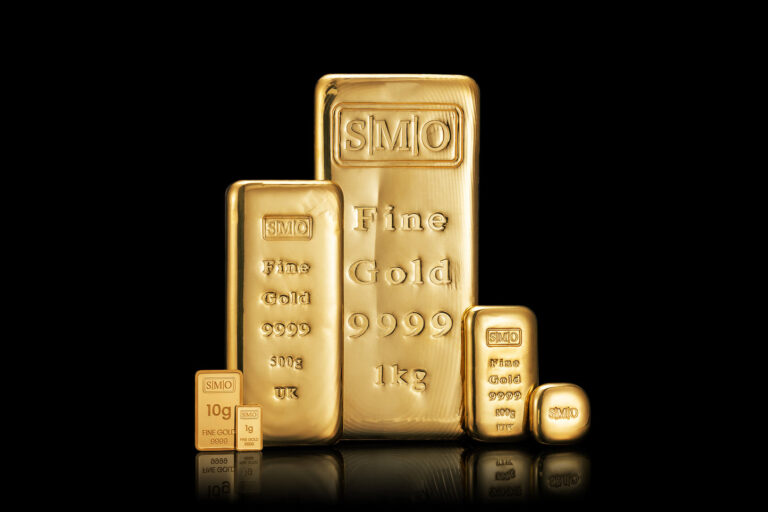
AgAIN Silver is available in a range of forms for jewellery making, including:
This makes it accessible for different production methods and design needs, from casting to fabrication.
Advantages of Using AgAIN Silver
For many customers, the benefits of AgAIN Silver come down to three things:
- a recycled silver with a clearly identified post-consumer source
- a more credible and precise sourcing story
- a practical material that can be used in jewellery production
These are strong advantages on their own. There is no need to overstate the claims around AgAIN Silver for it to be meaningful.
A Clear and Credible Way to Talk About AgAIN Silver
At Fairever, we see AgAIN Silver as a good example of how recycled precious metals can be communicated more clearly.
AgAIN Silver is made from silver recovered from medical X-rays in the UK. This provides clarity about the recycled material’s post-consumer source, while being transparent that the silver’s origin before it entered the recycling stream is not known.
That is what makes AgAIN Silver valuable: not an exaggerated sustainability story, but a more specific, more honest, and more useful one.
Weiterführende Informationen zu AgAIN Silver
For more details, product formats, and background information, you can explore these pages: