
Gold mining in Peru is often discussed in terms of risk. CECOMSAP shows the other side of the story: what becomes possible when artisanal and small-scale miners organize, improve their practices, and gain access to fairer trade.
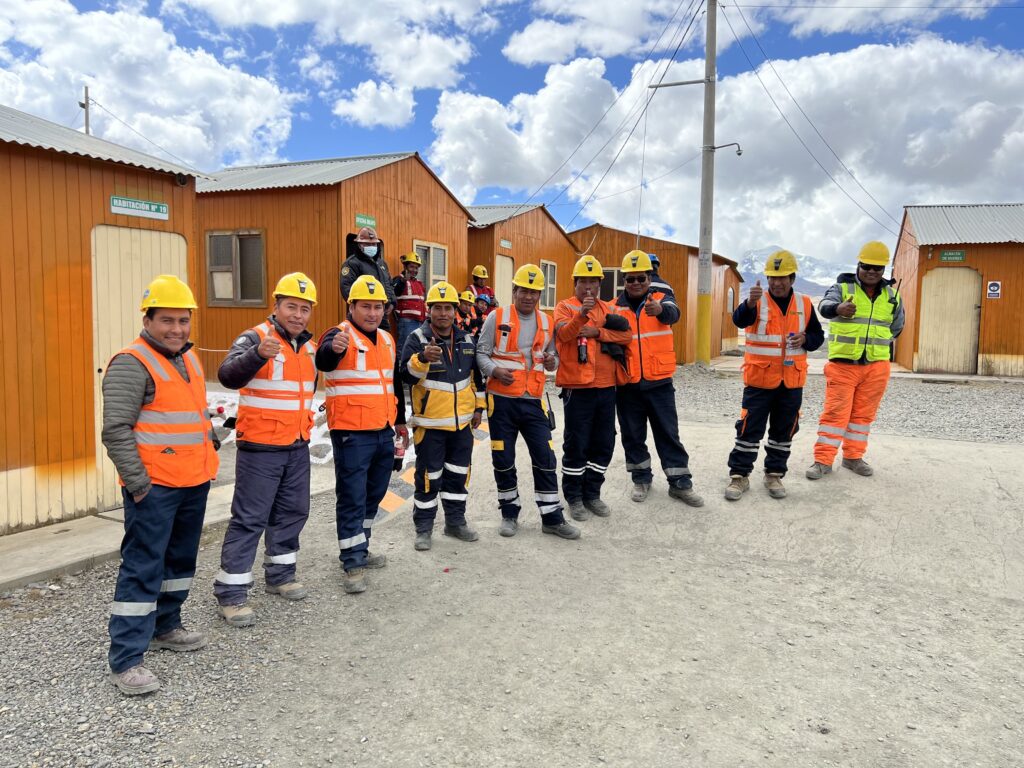
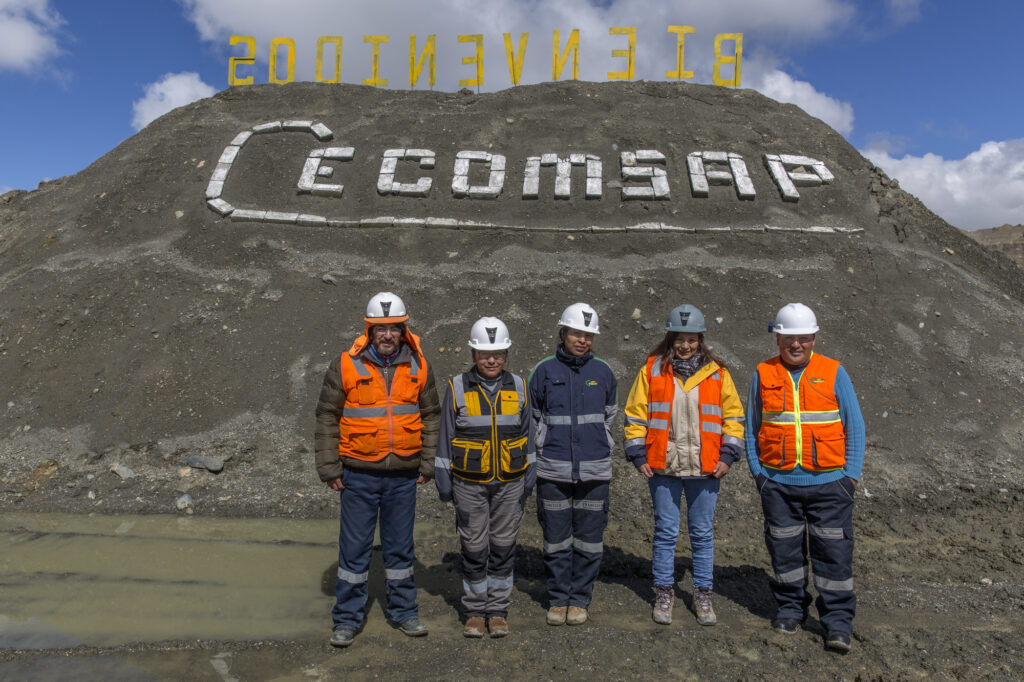
In southern Peru, CECOMSAP brings together ten mining cooperatives under one umbrella. That collective structure is a major achievement in itself. It strengthens the association’s position as a trading partner, supports more professional organization, and creates better conditions for long-term responsible gold production. Among others, the cooperatives include San Juan de Dios di Pam, Halcon de Oro, Municipal de Ananea, and Minera Santiago de Ananea, with the latter being CECOMSAP’s first mine to completely stop using chemicals.
Key insights
- CECOMSAP is Fairtrade-certified and has been certified since 2019. Fairtrade certification for artisanal and small-scale mining organizations is built around formalization, improved working conditions, environmental management, community benefit, and stronger governance.
- The association brings together 10 cooperatives and around 450 workers. Each cooperative typically has around 30 to 55 workers.
- 7 out of 10 cooperatives are already chemical-free (Status 2024) in their gold production. Minera Santiago de Ananea is highlighted as the first mine in the group to fully abandon chemicals.
- The Fairtrade Premium is already creating visible change. During visits to the mines, Fairever saw investments in solar panels, showers, sleeping facilities, vibrating tables for chemical-free processing, hot meals, blankets and food for the local community, school support, and equipment that makes work easier.
- This is what traceable, fairer gold can look like in practice. The Fairtrade Gold Standard includes requirements around traceability, production practices, business development, democratic organization, and local development.
Where CECOMSAP operates
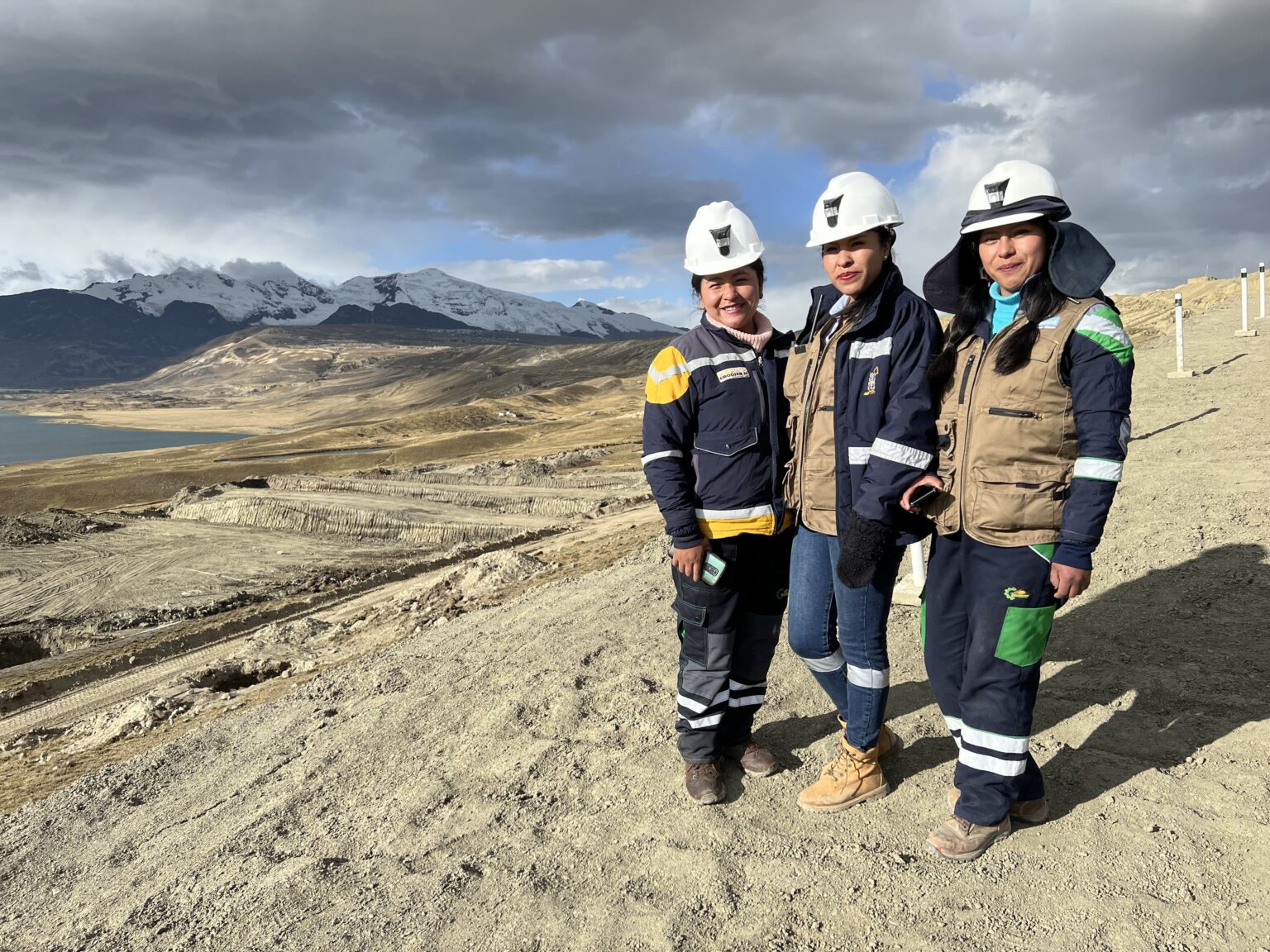
CECOMSAP is based in Ananea, in the Puno region of southern Peru, at around 4,700 meters above sea level. The area is cold, remote, and economically fragile. Traditionally, many local families depended on alpaca breeding and wool production, but those activities alone have often not been enough to create stable livelihoods. Gold mining has therefore become one of the most important economic activities in the region.
That context matters. Ethical sourcing is not only about the metal. It is also about whether mining communities can build a safer and more stable future.
Why the CECOMSAP association matters
A mining association like CECOMSAP is important because it creates strength through cooperation. Fairtrade’s standard for gold is designed for artisanal and small-scale mining organizations and explicitly aims to support their formalization, improve working conditions, strengthen governance, and increase access to fairer markets. It also emphasizes environmental management, child protection, gender equality, social security, and benefits for local communities.
That is exactly why CECOMSAP stands out. Ten cooperatives working together can do more than ten isolated groups working alone. A stronger structure can make trading relationships more reliable, make internal learning easier, and help turn individual improvements into shared progress.
What Fairtrade Gold means in practice
The phrase Fairtrade Gold should never be reduced to a label alone. In the standard, Fairtrade describes gold certification as part of a broader strategy to promote sustainable development and reduce poverty through fairer trade. For mining organizations, that includes a combination of core requirements and development requirements. The standard covers general requirements, trade, production, and business development.
For example, the Fairtrade Gold Standard includes:
1. Traceability
Fairtrade gold is tied to traceability requirements in the trade chapter of the standard. That matters because traceability is the basis for credible sourcing claims and more transparent supply chains.
2. Better environmental management
The standard aims to improve environmental management, including mitigating the use of mercury and supporting ecological restoration. It also makes clear that organizations not using mercury are treated differently in the audit process where relevant.
3. Child protection and stronger social safeguards
The standard aims to support child protection and the elimination of child labour in mining communities. It also includes requirements for a child labour policy and preventive procedures where child labour risks exist.
4. Democracy, participation, and development
Fairtrade is built around member-based organizations. The standard includes a dedicated business and development chapter, with sections on democracy, participation, transparency, and development potential.
What Fairever saw at CECOMSAP
Fairever is proud to source Fairtrade Gold from the CECOMSAP mines. During site visits, the impact of the Fairtrade Premium was already visible in practical, local improvements:
- installation of solar panels
- construction of showers and sleeping facilities
- transition toward chemical-free gold processing through vibrating tables
- investment in warm meals for workers
- support for the local community through food and blankets
- support for schools and kindergartens
- purchase of technical equipment that makes work easier
These are not abstract ESG promises. They are concrete examples of how responsible sourcing can improve everyday life in mining communities.
Why chemical-free progress matters
One of the strongest signals from CECOMSAP is the progress toward chemical-free production. In 2024, 7 out of 10 cooperatives were already chemical-free, and Minera Santiago de Ananea is the first CECOMSAP mine to have completely abandoned chemicals.
That matters because toxic substances in gold mining can have severe human and environmental consequences. The Fairtrade Standard therefore places real emphasis on production practices and toxic substance management.
CECOMSAP shows what responsible gold sourcing can look like
For jewelry brands, goldsmiths, designers, and buyers, CECOMSAP offers something important: proof that responsible sourcing can be organized, traceable, and socially meaningful.
This is not a perfect or finished story. Responsible mining is a process. But CECOMSAP shows what progress looks like when miners organize, when Fairtrade requirements create a framework for improvement, and when the premium is actually used to strengthen communities.
What you should take away
CECOMSAP is a strong example of Fairtrade gold in practice. Ten cooperatives have joined forces in Peru, around 450 people are connected to the association, most cooperatives are already working without chemicals, and the Fairtrade Premium is being used for visible improvements in working and living conditions.
For us at Fairever, this is what Fairtrade Gold should mean: more traceability, more accountability, and more benefits for the people at the beginning of the supply chain.