
Yes, gold can still be a sensible purchase right now — but it works better with a long-term horizon. That’s the key point. Gold in March 2026 is neither cheap nor calm. The gold price is currently around $4,400 per troy ounce. After the sharp decline of the past few days, gold is roughly 12% cheaper on a weekly basis compared to the previous week.
That’s exactly why the question “Should I buy gold now?” is so relevant right now. The geopolitical situation is tense, energy prices remain high, inflation hasn’t fully disappeared, and central banks continue to treat gold as a strategic reserve. The honest answer isn’t: “Yes, because gold will definitely keep rising.” The better answer is: Yes, gold can still make sense right now — if you buy it as a long-term hedge rather than a short-term trade.
Key Takeaways
- Yes, you can still buy gold right now. But it makes the most sense if you think in years, not months. The World Gold Council continues to describe gold as a strategic asset, while noting that 2026 remains heavily dependent on the macroeconomic environment.
- The current environment is both supportive and nervous. Today, the spot price was at $4,347 per troy ounce, with futures at around $4,406. Brent crude rose back to roughly $101.55 per barrel.
- Gold demand in 2025 was exceptionally strong. Total global demand reached 5,002 tonnes, investment demand hit 2,175 tonnes, ETF inflows totalled 801.2 tonnes, and central banks purchased 863.3 tonnes. Gold also set 53 new all-time highs in 2025.
- Gold is still not a short-term comfort asset. If you can’t handle volatility, gold may not be the right product for you even now.
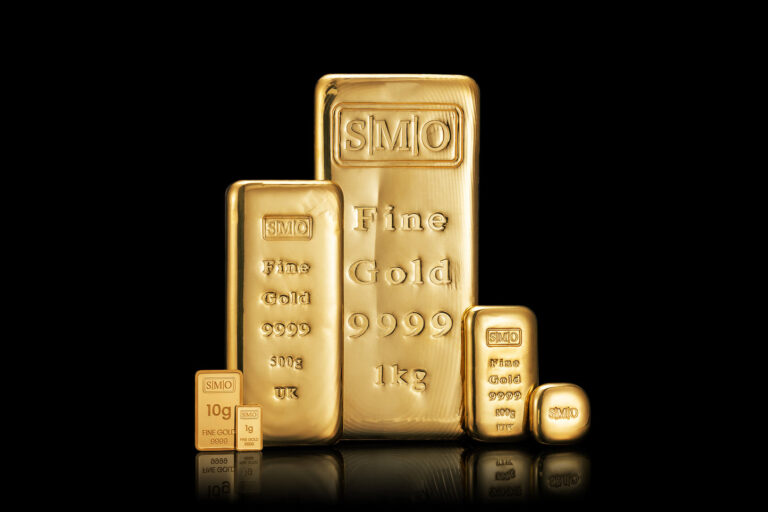
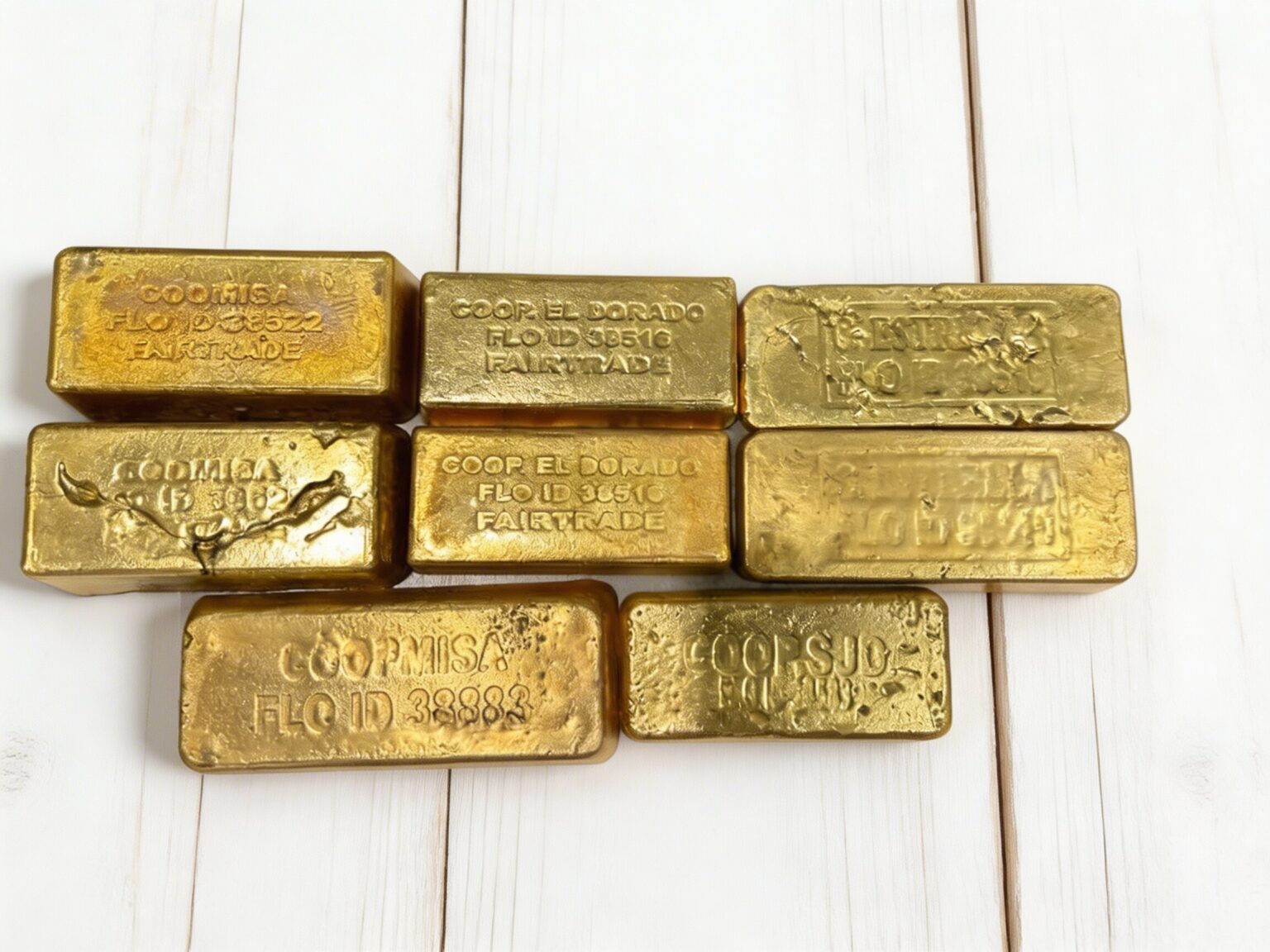
- If you’re going to buy gold anyway, this is a good moment to buy it more consciously. Fairtrade gold provides certified mines with a verified $2,000 premium per kilogram of gold, while SMO gold stands for segregated, fully traceable origin from a single mine.
Why "now?" is a real question in March 2026
Gold is currently being tested by exactly the kind of environment that typically makes people think about gold in the first place. The war in the Middle East has driven energy prices up again. On March 19, 2026, the ECB stated that the war had made the outlook significantly more uncertain, creating upside risks for inflation and downside risks for growth; at the same time, it left interest rates unchanged.
In the eurozone, the inflation problem hasn’t simply vanished either. Eurostat reports an inflation rate of 1.9% for February 2026, up from 1.7% in January. The ECB itself also points out that the war in the Middle East will materially impact short-term inflation through higher energy prices.
Monetary policy isn’t fully relaxed either. The US Federal Reserve held the Federal Funds Rate at 3.5% to 3.75% at the end of January. The ECB kept the deposit facility rate at 2.00%, the main refinancing rate at 2.15%, and the marginal lending facility rate at 2.40%. That’s no longer a standstill, but it’s not entirely relaxed monetary policy yet. Gold tends to stay relevant in exactly these kinds of in-between phases.
The data still supports gold — but not impatience
The strongest argument for gold isn’t a single headline, but the pattern behind it. According to the World Gold Council, total gold demand in 2025 reached 5,002 tonnes — an all-time high, including OTC demand. Investment demand hit 2,175 tonnes, global gold ETF holdings grew by 801.2 tonnes, and central banks bought 863.3 tonnes. At the same time, gold set 53 new record highs in 2025.
Central banks continue to think strategically as well. In the World Gold Council’s Central Bank Gold Reserves Survey 2025, 95% of surveyed central banks expect global central bank gold reserves to continue rising over the next twelve months; 43% expect the same for their own reserves. That’s no guarantee of higher prices tomorrow morning — but it’s a strong signal that gold continues to be taken seriously at the institutional level.
At the same time, gold is highly volatile right now. Both WSJ and Barron’s currently emphasize that gold is likely to remain volatile in the short term. That matters because it sharpens the message that actually counts: Gold can still make sense right now, but not as a nerve-calming remedy for the next four weeks.
So: Should I buy gold now?
Yes — if you’re buying gold for the right reasons. Gold can make sense right now if you want to hedge wealth long-term, diversify your portfolio, and not rely solely on traditional financial assets. In a world of geopolitical uncertainty, high energy prices, inflation risks, and cautious monetary policy, that’s a reasonable argument.
No — if you’re hoping for an easy short-term gain. Gold can correct further from here at any time. This very week proves the point: Despite geopolitical escalation, gold didn’t simply march upward — it swung sharply and at times fell significantly. If you’re only looking at the next few weeks, you’re getting a masterclass in volatility right now.
The honest short answer: Yes, you can still buy gold now — but especially if you bring patience.
Physical gold bars are often the better hedge
If you’re buying gold as a hedge, you should ideally actually own it. That’s why we lean toward physical gold bars in secure storage rather than paper gold like certificates, ETCs, or ETFs.
This isn’t a blanket verdict against exchange-traded products. If maximum tradability is your priority, you might see it differently. But if your motivation is stability, direct ownership, and independence from additional product structures, a physical gold bar usually fits the actual idea of gold better.
In this article, that’s intentionally just a side note. But the point still matters: Not every gold investment fulfils the same need.
If you're buying gold now, do it consciously
Gold doesn’t have to be a morally questionable product. That’s exactly why origin matters.
Fairtrade gold creates a clearly measurable added benefit. Fairtrade ensures that certified mines receive an additional $2,000 Fairtrade premium per kilogram of gold. The mines decide collectively how to use these funds; they’re invested in productivity improvements, environmental measures, and projects in areas like water, education, and health.
SMO gold solves a different problem. It doesn’t stand for a premium, but for exemplary working practices and full traceability to a single mine. If you don’t want to buy anonymous standard gold but material with robust provenance, that’s a strong argument.
→ What is Single Mine Origin gold?
So the same principle applies here: If now is a good time to buy gold, then it’s equally a good time to buy better gold.